

Eco-Friendly Fabrics: Weave Sustainability into Your Work
When choosing fabrics for your projects, consider eco-friendly options like organic cotton, hemp, and bamboo. These sustainable materials offer durability and reduce environmental impact.
By opting for eco-friendly fabrics, you can contribute to a greener planet while creating stylish and conscientious products. Incorporating sustainable materials into your projects not only aligns with ethical and environmental values but also appeals to the growing market demand for eco-conscious products.
With a wide range of eco-friendly fabrics available, you can explore various textures, colors, and patterns to elevate your designs while promoting sustainability. Making informed choices about the fabrics you use can lead to a positive impact on both your projects and the environment.
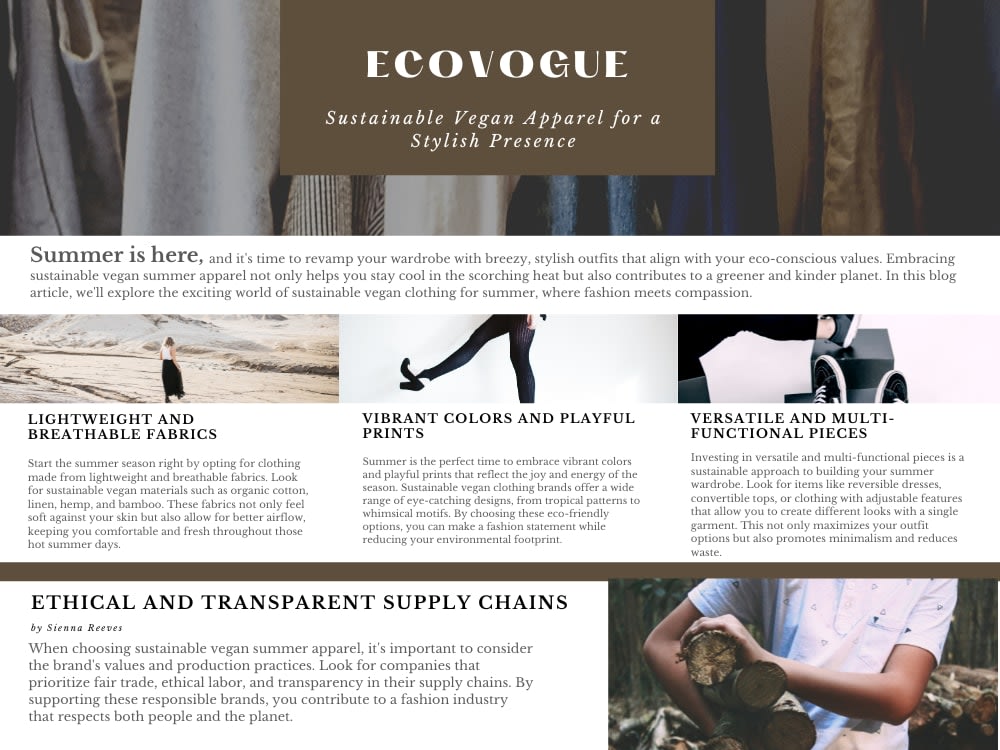
Credit: www.upwork.com
Introduction To Eco-friendly Fabrics
Discover sustainable choices with eco-friendly fabrics for your projects. Opt for environmentally conscious materials that support a greener future. Make a positive impact by selecting eco-friendly fabrics for a more sustainable approach to your creations.
The Rise Of Sustainable Fashion
Eco-friendly fabrics have gained significant popularity in the fashion industry in recent years. With growing concerns about the environmental impact of traditional textiles, designers and consumers alike are turning to sustainable materials for their projects. The rise of sustainable fashion has led to a greater demand for fabrics that are not only stylish but also environmentally friendly.
Benefits Of Choosing Green Materials
When it comes to choosing materials for your projects, opting for eco-friendly fabrics offers numerous benefits. Firstly, these materials are made from renewable resources, such as organic cotton, hemp, or bamboo, which are grown without the use of harmful chemicals or pesticides. This helps to reduce the overall carbon footprint and minimize environmental damage.
In addition, eco-friendly fabrics are often produced using sustainable manufacturing processes that conserve water and energy. By selecting these materials, you contribute to the preservation of natural resources and support ethical practices in the textile industry.
Furthermore, eco-friendly fabrics are known for their durability and longevity. They are designed to withstand wear and tear, ensuring that your creations will last longer and reduce the need for frequent replacements. This not only saves you money but also reduces the amount of waste generated.
Moreover, sustainable materials are often biodegradable or recyclable, making them a better choice for the environment. When disposed of properly, these fabrics can break down naturally and minimize the burden on landfills. By embracing eco-friendly textiles, you contribute to a more circular economy and reduce the impact on our planet.
In conclusion, choosing eco-friendly fabrics for your projects is not only a fashionable choice but also a responsible one. The rise of sustainable fashion and the benefits of green materials make them an excellent option for anyone looking to create stylish and environmentally conscious designs.
Identifying Sustainable Textiles
When it comes to choosing fabrics for your projects, it’s important to consider the environmental impact of your choices. Opting for eco-friendly fabrics not only helps reduce your carbon footprint but also supports sustainable practices in the textile industry. By identifying sustainable textiles, you can make more conscious decisions that align with your values and contribute to a greener future.
Key Characteristics Of Eco-fabrics
Eco-fabrics possess certain characteristics that make them more sustainable options compared to conventional textiles. These key characteristics include:
- Renewable sources: Eco-fabrics are made from renewable resources such as organic crops, recycled materials, or natural fibers like bamboo or hemp.
- Low environmental impact: They are manufactured using processes that minimize water consumption, energy usage, and chemical pollution.
- Biodegradability: Eco-fabrics have the ability to break down naturally, reducing waste and preventing harm to the environment.
- Social responsibility: Sustainable textiles often adhere to fair trade practices, ensuring workers’ rights and promoting ethical manufacturing processes.
Popular Sustainable Fibers
Several sustainable fibers have gained popularity in the textile industry due to their eco-friendly properties. These fibers include:
| Fiber | Source | Benefits |
|---|---|---|
| Organic Cotton | Organic crops | Natural, biodegradable, and free from harmful pesticides |
| Linen | Flax plant | Durable, breathable, and requires fewer resources to grow compared to cotton |
| Bamboo | Bamboo plant | Rapidly renewable, requires minimal water and pesticides, and has natural antimicrobial properties |
| Tencel | Eucalyptus trees | Produced using a closed-loop process that minimizes waste and water usage |
| Recycled Polyester | Recycled plastic bottles | Reduces waste by repurposing materials and decreases dependency on petroleum-based products |
The Impact Of Fabric Production
Discover the positive impact of opting for eco-friendly fabrics in your projects. Sustainable materials not only reduce environmental harm but also promote a healthier future for the planet. Make a conscious choice to support fabric production that aligns with your values.
Environmental Footprint Of Textile Manufacturing
Fabric production has a significant impact on the environment. The process of creating textiles, from growing or sourcing the raw materials to finishing the final product, requires a large amount of energy and resources. The production of synthetic fibers, such as polyester, requires the use of fossil fuels, which contribute to greenhouse gas emissions and climate change. Cotton, on the other hand, requires large amounts of water and pesticides, which can have a negative impact on the environment and human health. To reduce the environmental footprint of textile manufacturing, it’s important to choose eco-friendly fabrics that are made from sustainable materials. Organic cotton, bamboo, hemp, and recycled polyester are all excellent choices. These materials require fewer resources and are often produced using more environmentally friendly methods.Ethical Considerations In The Supply Chain
In addition to the environmental impact of textile production, there are also ethical considerations to take into account. The supply chain for textiles can be long and complex, and it’s important to ensure that all workers involved in the production process are treated fairly and paid a living wage. Choosing fabrics that are certified by organizations such as Fair Trade or the Global Organic Textile Standard (GOTS) can help ensure that the supply chain is ethical and sustainable. These certifications require that all workers are treated fairly and that the production process meets strict environmental standards. By considering both the environmental and ethical impact of fabric production, you can make more sustainable choices for your projects and help reduce the overall impact of the textile industry on the environment and society.
Credit: www.sustainablejungle.com
Innovative Materials Changing The Game
Breakthroughs in the textile industry are paving the way for eco-friendly fabrics that prioritize sustainability without compromising on quality. These innovative materials are revolutionizing the way we think about fashion and design, offering environmentally conscious options for various projects.
Breakthroughs In Biodegradable Textiles
Biodegradable textiles are gaining momentum, offering a sustainable alternative to traditional fabrics. These materials, such as Tencel, Modal, and Lyocell, are derived from natural sources and are fully biodegradable, reducing environmental impact.
Recycled And Upcycled Fabric Options
Recycled and upcycled fabrics are making a significant impact on sustainable fashion. By utilizing materials from post-consumer waste, such as plastic bottles and discarded clothing, these fabrics contribute to waste reduction while offering versatile and durable options for design projects.
Implementing Sustainability In Design
Design Principles For Eco-fashion
Eco-friendly fabrics are a crucial component of sustainable fashion design. Designers can implement sustainability by choosing materials that have minimal impact on the environment and are ethically produced. Utilizing organic cotton, hemp, and bamboo fabrics can reduce the ecological footprint of fashion projects.
Case Studies: Brands Leading The Way
Several pioneering brands have successfully integrated eco-friendly fabrics into their designs. Patagonia, known for its commitment to sustainability, incorporates recycled materials into their outdoor apparel. Another example is Eileen Fisher, a brand that champions organic fibers and sustainable production practices in their clothing lines.

Credit: www.tiktok.com
Consumer’s Role In Sustainable Fashion
Choosing eco-friendly fabrics is an essential step towards sustainable fashion. Consumers can play a crucial role in promoting sustainable fashion by opting for materials like organic cotton, linen, and hemp over synthetic fabrics. By making informed choices, we can reduce the environmental impact of the fashion industry and promote a more sustainable future.
How To Shop Responsibly
As a consumer, you have the power to make a difference in the fashion industry by choosing eco-friendly fabrics. When shopping for sustainable materials, there are a few things to keep in mind:- Look for certifications such as GOTS (Global Organic Textile Standard) or OEKO-TEX (International Association for Research and Testing in the Field of Textile Ecology) to ensure the fabric is truly eco-friendly.
- Choose natural fibers such as organic cotton, linen, hemp, or bamboo over synthetic materials.
- Support brands that prioritize sustainability and transparency in their production process.
- Consider buying second-hand clothing or upcycling materials to reduce waste.
Care And Maintenance Of Eco-friendly Apparel
Once you have your eco-friendly clothing, it’s important to take proper care of it to extend its lifespan. Here are some tips:- Wash in cold water and avoid using the dryer to save energy and prevent shrinkage.
- Use natural detergents without harsh chemicals to avoid polluting water sources.
- Avoid dry-cleaning, as it uses harmful chemicals.
- Mend small tears or holes instead of throwing the item away.
Challenges And Solutions In Sustainable Fabric Production
Sustainable fabric production presents challenges, but eco-friendly materials offer solutions. With innovative technologies and responsible sourcing, choosing sustainable fabrics for your projects promotes environmental conservation and ethical practices. By prioritizing eco-friendly options, you can contribute to a greener and more sustainable fashion industry.
Overcoming Obstacles In Textile Innovation
In sustainable fabric production, challenges exist but solutions are emerging. Collaborations and Certifications Promoting Sustainability Collaborations enhance eco-friendly fabric development.Collaborations And Certifications Promoting Sustainability
Partnerships and certifications drive sustainable fabric practices.The Future Of Sustainable Textiles
Emerging Trends In Eco-fabrics
Discover the latest innovations in sustainable textiles.
The Role Of Technology In Sustainable Fashion
Explore how technology drives eco-friendly practices in the fashion industry.
Conclusion
Opting for eco-friendly fabrics benefits the environment and your projects. Sustainability is key in today’s conscious consumer market. Make a positive impact by choosing materials that are both stylish and environmentally responsible. Start your eco-friendly journey today and contribute to a greener future.


