

Fabric Finds: Discover the Perfect Fabric for Your Next Project
Find the perfect fabric for your project with these helpful fabric discovery tips. Learn about different fabric types, textures, and colors to enhance your next sewing or crafting endeavor.
Whether you’re a seasoned seamstress or a novice crafter, choosing the right fabric is crucial for achieving the desired look and feel of your creation. From soft and flowy fabrics for garments to durable and sturdy fabrics for home decor projects, there is a vast array of options to explore.
Understanding the characteristics of each fabric type will empower you to make informed decisions and bring your creative vision to life. Let’s dive into the world of fabrics and discover the endless possibilities they offer for your next project.
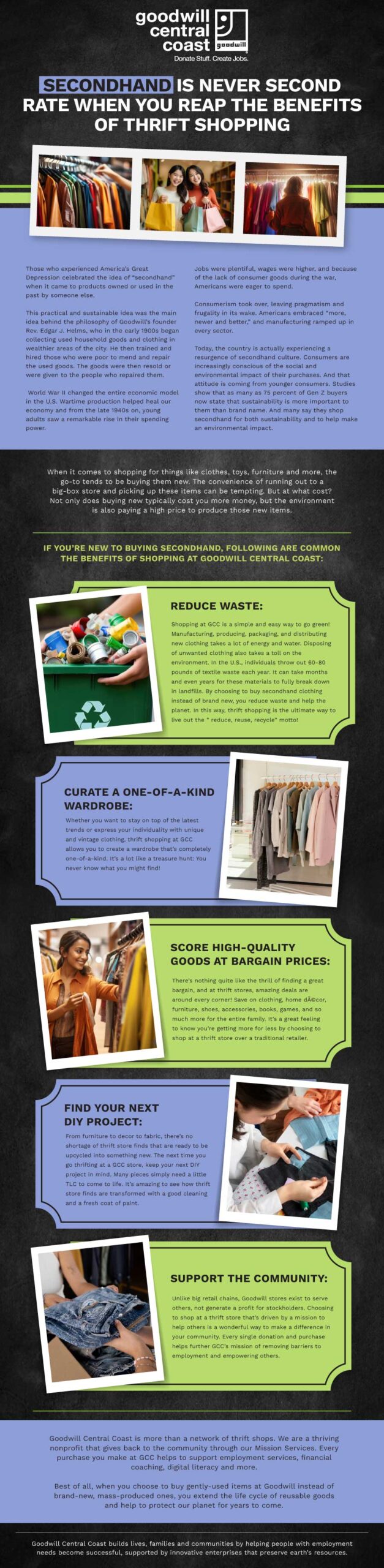
Credit: www.ccgoodwill.org
Introduction To Fabric Selection
Discovering the perfect fabric for your next project can be a daunting task. Understanding fabric selection is crucial to create a successful outcome. This guide will help you navigate through the world of fabrics and find the perfect match for your project.
The Importance Of Choosing The Right Fabric
When it comes to any sewing or crafting project, choosing the right fabric is crucial. The fabric you select will determine not only the overall look and feel of the finished product but also its durability and functionality. Making the wrong fabric choice can result in a project that falls short of your expectations or fails to meet your needs.
Key Factors In Fabric Selection
When selecting fabric for your next project, there are several key factors to consider:
- Project Type: The type of project you are working on will dictate the kind of fabric you need. For example, if you are making a dress, you will want to choose a fabric with drape and movement, such as silk or chiffon. On the other hand, if you are creating a bag or upholstery item, you will need a fabric that is sturdy and can withstand wear and tear, such as canvas or denim.
- Color and Pattern: The color and pattern of the fabric are important for achieving the desired aesthetic. Consider the color scheme of the project and whether a solid color or a pattern will work best. Additionally, think about the scale of the pattern and how it will look when used in the size of your project.
- Texture: The texture of the fabric can greatly impact the final result. Smooth and silky fabrics can create an elegant and luxurious look, while textured fabrics can add interest and dimension. Consider the tactile qualities you want to achieve and how they will complement your project.
- Care Instructions: It’s essential to choose a fabric that is easy to care for and matches your lifestyle. Some fabrics require special care, such as dry cleaning or delicate washing, while others are machine washable and low maintenance. Be sure to consider how much time and effort you are willing to invest in caring for the fabric.
By considering these key factors in fabric selection, you can ensure that your next project turns out just as you envisioned. Whether you are creating a garment, home decor item, or accessories, choosing the right fabric is the first step towards a successful outcome.
Types Of Fabric Materials
Fabric is the essential building block of any sewing or crafting project, and choosing the right type of fabric material is crucial to the success of your creation. There are various types of fabric materials to consider, including natural and synthetic options, each with its own unique characteristics and best uses. Let’s explore the different types of fabric materials and their applications.
Natural Vs. Synthetic Fabrics
When it comes to fabric materials, they can be broadly categorized as natural or synthetic. Natural fabrics are derived from plant or animal sources, such as cotton, linen, silk, and wool. On the other hand, synthetic fabrics are man-made and include options like polyester, nylon, and spandex. Understanding the distinctions between these two categories can help in selecting the most suitable fabric for your project.
Popular Fabric Materials And Their Uses
Here are some popular fabric materials and their common uses:
| Fabric Material | Common Uses |
|---|---|
| Cotton | Apparel, quilting, home decor |
| Denim | Jeans, jackets, bags |
| Silk | Dresses, lingerie, formal wear |
| Polyester | Activewear, outdoor gear, upholstery |
| Wool | Sweaters, blankets, suits |
| Rayon | Blouses, dresses, linings |
- Consider the characteristics and intended use of the fabric material.
- Match the fabric weight and drape to the project requirements.
- Be mindful of care instructions for each fabric type.
Fabric Weights And Textures
Explore a variety of fabric weights and textures to find the ideal match for your next project. From lightweight chiffon to cozy fleece, each fabric brings a unique touch to your creations. Dive into the world of fabrics and unleash your creativity!
When it comes to selecting the perfect fabric for your next project, it’s essential to consider the weight and texture of the material. Understanding different fabric weights and textures can help you achieve the desired look and feel of your finished product. In this section, we’ll explore the different fabric weights and textures and their uses in various sewing projects.Understanding Different Fabric Weights
Fabric weight refers to how much a specific area of fabric weighs. It is measured in grams per square meter (GSM) or ounces per square yard (OSY). The weight of the fabric is determined by the thickness of the yarn, the tightness of the weave, and the type of fiber used. Here are some common fabric weights and their uses:| Fabric Weight | Uses |
|---|---|
| Lightweight | Perfect for summer clothing, curtains, and bed linens |
| Medium weight | Great for jackets, pants, and skirts |
| Heavyweight | Perfect for winter clothing, upholstery, and home decor |
Exploring Textures: From Smooth To Textured
Fabric textures can add depth and dimension to your sewing projects. From smooth to textured, there are many types of fabric textures to choose from. Here are some common fabric textures and their uses:- Smooth: Perfect for formal wear, linings, and summer clothing
- Ribbed: Ideal for polo shirts, dresses, and skirts
- Woven: Great for blouses, dresses, and skirts
- Knit: Perfect for t-shirts, sweaters, and activewear
- Lace: Great for lingerie, dresses, and skirts
- Faux Fur: Ideal for jackets, vests, and home decor
Color Theory In Fabric Choice
When selecting fabrics for your projects, understanding color theory is essential.
The Psychology Of Colors
Colors evoke emotions and can influence moods.
- Red: Passion and energy
- Blue: Calmness and trust
- Yellow: Happiness and optimism
Coordinating Colors For Projects
Choose colors that complement each other for a cohesive look.
- Use color wheel for guidance
- Pair complementary colors for contrast
- Consider analogous colors for harmony
Pattern Play: Incorporating Designs
Discover the perfect fabric for your next project by incorporating pattern play into your designs. Experiment with different textures, colors, and prints to create a unique and eye-catching piece that reflects your personal style. With so many fabric finds available, the possibilities are endless.
Introductory Paragraph: Pattern Play: Incorporating Designs Choosing the right fabric pattern can make or break a project. Whether you’re working on a quilt, dress, or home decor piece, the pattern you choose can add visual interest and depth to your design. Mixing and matching patterns can be a fun and creative way to add personality to your project. In this post, we’ll explore tips for choosing the right pattern for your project and how to mix and match patterns like a pro.Choosing The Right Pattern For Your Project
When selecting a pattern for your project, it’s important to consider the overall style and purpose of your piece. A bold, graphic print may work well for a modern quilt or statement dress, while a delicate floral pattern may be more fitting for a vintage-inspired blouse or home decor item. Keep in mind the scale of the pattern as well. A large-scale print may overwhelm a small item, while a small-scale print may get lost on a larger piece. Don’t be afraid to experiment with different types of patterns, such as stripes, polka dots, or geometric shapes, to find the perfect fit for your project.Mixing And Matching Patterns
Once you’ve selected your main fabric pattern, it’s time to consider how to mix and match additional patterns. A good rule of thumb is to choose patterns with complementary colors or a similar style. For example, if your main fabric pattern is a bold floral print, consider adding a smaller-scale floral or a solid color in a coordinating shade. You can also mix different types of patterns, such as stripes and polka dots, as long as they share a common color palette. When mixing patterns, vary the scale of each pattern to create visual interest and avoid overwhelming the eye. Don’t be afraid to experiment and have fun with pattern play in your next project. In conclusion, choosing the right fabric pattern and incorporating multiple patterns can add depth and personality to your project. Remember to consider the overall style and purpose of your piece, as well as the scale and color palette of each pattern. With these tips, you’ll be able to mix and match patterns like a pro and create a truly unique and eye-catching design.Fabric Durability And Care
Fabric durability and care are crucial considerations when choosing the perfect fabric for your next project. Understanding the durability of different fabrics and how to properly care for them will ensure the longevity and quality of your creations.
Assessing Fabric Durability
When selecting fabric for a project, it’s essential to assess its durability. Consider factors like thread count, weave tightness, and fiber content to determine the fabric’s strength and resilience.
Maintenance: Caring For Different Fabrics
Proper maintenance is vital to extend the life of your fabric. Here are some care tips for different fabric types:
- Cotton: Machine wash in cold water and tumble dry on low heat.
- Silk: Dry clean or hand wash in cold water with mild detergent.
- Polyester: Machine wash in warm water and tumble dry on low heat.
Sustainability In Fabric Production
When choosing fabrics for your projects, considering sustainability is crucial. Opting for eco-friendly materials helps reduce environmental impact.
Eco-friendly Fabric Options
- Organic cotton: Grown without harmful chemicals
- Bamboo fabric: Sustainable and biodegradable
- Hemp fabric: Requires minimal water and no pesticides
The Impact Of Sustainable Fabrics
Using sustainable fabrics helps conserve natural resources and reduces pollution in the fashion industry.

Credit: www.ann-normandy.com
Where To Shop For Fabrics
Finding the perfect fabric for your next project can be an exciting adventure. Whether you’re a seasoned seamstress or a novice crafter, the right fabric can make all the difference. But where should you shop for fabrics? Let’s explore the options and offer some tips for buying fabrics that will help you find exactly what you need.
Local Vs. Online Fabric Stores
When it comes to shopping for fabrics, you have two main options: local fabric stores and online fabric stores. Each has its own benefits and considerations.
Tips For Buying Fabrics
- Check the fabric weight and texture.
- Consider the color and print carefully.
- Read customer reviews for online purchases.
- Ask for fabric swatches if unsure.
Practical Tips For Fabric Testing
When it comes to choosing the perfect fabric for your next project, conducting thorough fabric testing is essential. These practical tips for fabric testing can help you ensure that the fabric you choose is the right fit for your project. From conducting a ‘Burn Test’ to performing stretch and recovery tests, these methods can help you determine the fabric’s composition, durability, and suitability for your specific project.
Conducting A ‘burn Test’
To determine the composition of a fabric, you can conduct a ‘burn test.’ This involves burning a small piece of the fabric and observing the flame, smoke, and residue. By analyzing these characteristics, you can identify the type of fabric based on how it burns, smells, and the residue it leaves behind.
Stretch And Recovery Tests
Stretch and recovery tests are crucial for assessing the fabric’s elasticity and resilience. By stretching the fabric in different directions and observing how it bounces back, you can determine its stretchiness and ability to retain its original shape. This test is particularly important for garments and other items that require flexibility and durability.

Credit: www.facebook.com
Budgeting For Your Fabric Purchase
Budgeting for your fabric purchase is crucial for any project. Planning in advance will help you stay on track.
How To Estimate Fabric Costs
Calculate fabric costs by measuring project dimensions and researching fabric prices.
- Measure length and width of the project
- Check fabric prices at local stores or online
Saving Money On High-quality Fabrics
Consider these tips to get high-quality fabrics without overspending.
- Look for sales or discounts
- Buy fabric remnants for smaller projects
- Compare prices from different suppliers
Transforming Ideas Into Reality
From Fabric Selection To Project Completion
Choosing the right fabric is crucial for bringing your creative vision to life. Whether it’s a soft cotton for a cozy quilt or a luxurious silk for an elegant gown, the fabric sets the tone for the entire project. With careful selection and expert guidance, your ideas will seamlessly transform into beautiful, tangible creations.
Showcasing Finished Projects
Once your project is complete, it’s time to showcase your masterpiece. Whether it’s a stunning dress, a cozy throw, or a set of vibrant curtains, the finished project tells the story of your creativity and skill. By displaying your finished projects, you inspire others and celebrate your accomplishments, encouraging others to embark on their own creative journeys.
Conclusion
Choosing the perfect fabric for your next project can greatly impact its success. By considering factors such as durability, texture, color, and care instructions, you can ensure that your creation stands the test of time. Whether you’re sewing a garment, designing home decor, or crafting accessories, the right fabric can elevate your work to new heights.
So take the time to explore different options and find the fabric that truly speaks to your vision. Happy creating!


