

Sewing Workshops And Classes: Stitch, Connect & Thrive!
Sewing workshops and classes offer hands-on learning and community engagement. They help individuals develop skills and creativity.
Sewing workshops and classes provide a structured environment for learning and growth. Participants gain practical skills, from basic stitching to advanced techniques. These sessions cater to all skill levels, ensuring everyone benefits. Attendees also enjoy a collaborative atmosphere, exchanging ideas and inspiration.
Instructors guide students through projects, offering personalized feedback. This hands-on approach fosters confidence and creativity. Moreover, sewing classes often lead to lasting friendships and networking opportunities. Whether for hobbyists or aspiring professionals, these workshops are invaluable. They cultivate a sense of achievement and community, making the learning process enjoyable and fulfilling. Join a sewing workshop to enhance your skills and connect with like-minded individuals.
The Resurgence Of Sewing
Sewing is back in style. People of all ages are picking up needles and thread. This craft is growing in popularity. Why is sewing making a comeback? Let’s explore.
Riding The Diy Wave
The DIY culture is booming. People love creating things by hand. Sewing fits perfectly into this trend. Making your own clothes or gifts feels special.
Here are some benefits of DIY sewing:
- Customizable fashion
- Unique home decor
- Personalized gifts
DIY sewing also saves money. You can make high-quality items at a lower cost. Plus, it reduces waste. You can reuse old fabrics and materials.
A Stitch In Time: The Social Impact
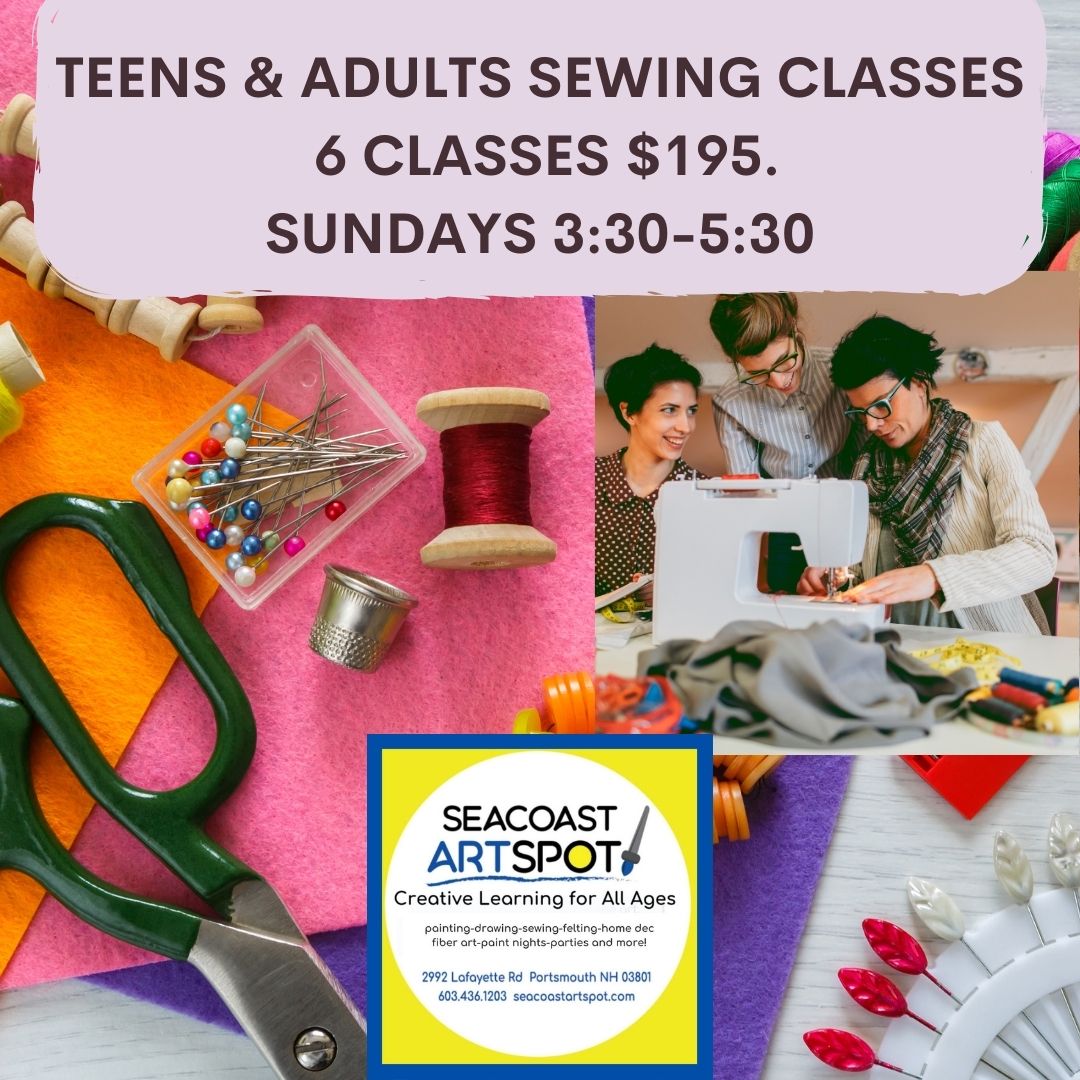
Sewing has a strong social impact. It brings people together. Workshops and classes create a sense of community. People share tips and stories. Friendships form over shared projects.
Sewing also empowers individuals. Learning a new skill boosts confidence. It provides a sense of accomplishment. Participants feel proud of their creations.
Here are some social benefits of sewing:
- Building community
- Boosting confidence
- Encouraging creativity
Additionally, sewing has a positive environmental impact. It promotes sustainable practices. People learn to mend and repair. This reduces the need for fast fashion.
Credit: seacoastartspot.com
Types Of Sewing Workshops
Sewing workshops offer a variety of classes for different skill levels. Whether you are new to sewing or experienced, there is something for everyone. Learn the basics, master advanced techniques, or explore specialty textiles. Below are some popular types of sewing workshops available.
Beginner Basics
Beginner classes are perfect for those new to sewing. Here, you learn the essentials. Topics include:
- How to use a sewing machine
- Basic stitches and seams
- Simple projects like pillowcases or tote bags
These classes build a strong foundation. You gain confidence and skills to take on more complex projects.
Advanced Techniques
Advanced workshops cater to experienced sewers. These classes dive deeper into complex skills. Topics include:
- Tailoring and garment fitting
- Quilting and applique
- Embroidery and decorative stitching
Improve your craft and create professional-quality items. These classes challenge you and help you grow.
Specialty Textiles
Specialty textile workshops focus on unique fabrics and materials. Learn how to work with:
- Leather and suede
- Silk and satin
- Knits and stretchy fabrics
These classes teach you to handle delicate and challenging materials. Enhance your sewing repertoire and create stunning pieces.
Finding The Right Class For You
Finding the right sewing class can be challenging. You want a class that matches your skill level and interests. This guide will help you choose the best sewing workshop for your needs.
Assessing Skill Levels
Before picking a class, know your current skill level. Are you a beginner, intermediate, or advanced sewer?
- Beginner: You know how to thread a needle and sew a straight line.
- Intermediate: You can follow simple patterns and use a sewing machine.
- Advanced: You can create complex designs and use advanced techniques.
Choose a class that fits your skill level. This ensures you learn at a comfortable pace.
Matching Interests With Courses
Think about what you enjoy sewing. Do you like making clothes, quilts, or home decor? Different classes focus on different projects.
| Interest | Course Type |
|---|---|
| Clothing | Fashion Sewing, Dressmaking |
| Quilting | Quilt Making, Patchwork |
| Home Decor | Cushion Making, Curtain Sewing |
Pick a course that matches your passion. This keeps you motivated and engaged.
The Social Fabric Of Sewing Classes
Sewing workshops and classes offer more than just learning. They create a supportive community. People come together to share a common passion. Friendships form, and skills improve. The social aspect of sewing classes enhances the experience.
Building Communities
Sewing classes attract diverse groups. Everyone, from beginners to experts, can join. These groups often become close-knit communities. Members support and encourage each other. This sense of community is vital. It makes learning enjoyable and collaborative.
Sharing Stories And Skills
Sewing classes are great for sharing. Participants bring their own experiences. They share stories and personal projects. This exchange enriches the learning process. Everyone learns new techniques and creative ideas.
Here are some ways people share in sewing classes:
- Demonstrating new stitching techniques
- Sharing fabric choices and patterns
- Offering tips for machine maintenance
- Discussing the history of sewing
These shared moments create bonds. They transform sewing classes into a special experience.
Benefits Of In-person Vs. Online Workshops
Sewing workshops and classes offer a fantastic way to learn new skills. Deciding between in-person and online workshops can be challenging. Each has its own set of benefits. Let’s explore the benefits of in-person vs. online workshops.
Hands-on Guidance
In-person workshops provide direct, hands-on guidance. You can ask questions and get immediate answers. The instructor can demonstrate techniques right in front of you. This makes learning easier and more effective.
Online workshops, on the other hand, often include video tutorials. You can watch these videos at your own pace. While you can’t get immediate feedback, you can replay parts you don’t understand.
Flexibility And Accessibility
Online workshops offer great flexibility. You can learn from anywhere, at any time. This is especially useful for those with busy schedules. You can fit learning into your free time.
In-person workshops require you to be present at a specific location and time. This can be a challenge if you have other commitments. However, they offer a structured learning environment, which many find beneficial.
Let’s compare the benefits in a simple table:
| Aspect | In-Person Workshops | Online Workshops |
|---|---|---|
| Hands-On Guidance | Direct and immediate | Video tutorials, replayable |
| Flexibility | Fixed schedule | Learn anytime, anywhere |
| Accessibility | Limited to local areas | Global reach |
Both in-person and online sewing workshops have their unique benefits. Choose based on your learning style and schedule.

Credit: www.facebook.com
Materials And Tools Of The Trade
Sewing workshops and classes are fun and educational. To get the most out of them, having the right materials and tools is key. Let’s dive into what you need in your sewing kit and why investing in quality supplies is important.
Essential Sewing Kit
A good sewing kit is the heart of your sewing experience. Here are some must-have items:
- Needles: Different sizes for different fabrics.
- Thread: Choose strong, durable threads.
- Scissors: Use fabric scissors for clean cuts.
- Pins: Hold your fabric in place while sewing.
- Measuring Tape: Essential for accurate measurements.
- Seam Ripper: Fix mistakes easily.
- Thimble: Protect your fingers while hand sewing.
These items are basic but crucial. They will make your sewing smoother and more enjoyable.
Investing In Quality Supplies
Quality supplies make a big difference in your sewing projects. Here’s why:
| Item | Why Quality Matters |
|---|---|
| Fabric | Better fabric lasts longer and looks nicer. |
| Thread | Strong thread prevents seams from breaking. |
| Scissors | Sharp scissors make cleaner cuts. |
| Needles | High-quality needles are less likely to break. |
Investing in good tools also saves you money in the long run. Cheap tools may break easily, causing you to spend more on replacements.
Transforming Hobbies Into Businesses
Sewing workshops and classes provide more than just skills. They offer a path to turn a passion into a profitable business. Many people start sewing as a hobby. With the right guidance, this hobby can become a source of income. This section explores how you can transform your sewing passion into a thriving business.
From Passion To Profit
Many sewists dream of selling their creations. The first step is improving your skills. Attend workshops and classes to learn new techniques. Practice makes perfect. High-quality products attract customers. Next, understand your market. What do people want? Create products that meet their needs.
Set realistic goals. Start small and grow gradually. Invest in good tools and materials. They improve the quality of your work. Join online sewing communities. Share your work and get feedback. This helps you improve and build a customer base.
Marketing Handmade Creations
Marketing is crucial for success. Create a brand that stands out. Use a unique name and logo. Make your products look professional. Take clear, bright photos. Use these photos on social media and online stores.
Build a website to showcase your work. Write clear descriptions of your products. Include the materials used and size details. Offer good customer service. Respond quickly to questions. Keep your customers happy.
Use social media to reach more people. Post regularly and interact with your followers. Share behind-the-scenes photos and videos. This builds a connection with your audience. Run promotions and giveaways. They attract new customers and reward loyal ones.
| Task | Action |
|---|---|
| Improve Skills | Attend workshops and practice |
| Understand Market | Research and create in-demand products |
| Set Goals | Start small, grow gradually |
| Invest in Tools | Buy good tools and materials |
| Marketing | Create a brand and use social media |
By following these steps, you can turn your sewing hobby into a successful business. With dedication and effort, your creations can reach a wide audience and bring in profit.
Sewing For Sustainability
Sewing for Sustainability is a growing trend among sewing enthusiasts. It emphasizes eco-friendly practices and mindful consumption. This approach promotes creativity while reducing waste. Let’s explore how sewing workshops and classes incorporate sustainability.
Upcycling And Recycling
Upcycling and recycling fabrics are key components of sustainable sewing. These practices breathe new life into old materials. Participants in sewing workshops learn to transform discarded clothes into new items.
For example, old jeans can become stylish bags. Worn-out shirts can turn into unique quilts. This not only saves money but also reduces waste. Workshops often provide hands-on experience with various upcycling techniques.
Benefits of Upcycling and Recycling:
- Reduces textile waste
- Saves money
- Encourages creativity
- Promotes unique fashion
Eco-friendly Fabrics
Choosing eco-friendly fabrics is another important aspect of sustainable sewing. These fabrics have a lower environmental impact. They are often made from natural or recycled materials. Workshops teach participants how to identify and use these fabrics.
Some popular eco-friendly fabrics include organic cotton, hemp, and bamboo. These materials are biodegradable and require less water to produce. They are also free from harmful chemicals.
Benefits of Eco-Friendly Fabrics:
- Reduces environmental impact
- Supports sustainable farming practices
- Improves fabric quality
- Promotes healthier living
By focusing on upcycling, recycling, and eco-friendly fabrics, sewing workshops make a positive impact. Participants learn valuable skills while supporting the environment.
Workshops As A Catalyst For Change
Sewing workshops and classes can change lives. These gatherings bring people together. They offer the chance to learn new skills. They also help in building a sense of community. Participants grow and develop as individuals. These workshops can become a powerful force for change.
Empowerment Through Education
Education is a key to empowerment. Sewing workshops teach valuable skills. These skills can lead to new job opportunities. Many people start their own businesses after learning to sew. This leads to financial independence. It also boosts confidence and self-esteem.
Here are some benefits of sewing education:
- Learning a new craft
- Building self-confidence
- Creating job opportunities
- Encouraging creativity
- Fostering independence
Sewing As A Form Of Activism
Sewing can be a tool for activism. Many groups use sewing to support causes. They create items to raise awareness. They also make products to sell and fundraise. Sewing can give a voice to those who need it. It allows people to express their views.
Examples of sewing activism include:
- Making quilts for the homeless
- Creating banners for protests
- Sewing masks during health crises
- Designing clothes with messages
- Supporting fair trade practices
By participating in these activities, people can make a difference. They can help bring about change in their communities and beyond.

Credit: www.instagram.com
Staying Connected Beyond The Workshop
Attending sewing workshops is a great way to learn new skills. But what happens after the workshop ends? Staying connected with fellow sewists can help you grow. This section explores ways to stay connected beyond the workshop.
Joining Sewing Circles
Sewing circles are groups of people who meet regularly. They share their sewing projects and ideas. Joining one can be very rewarding.
- Find local sewing circles through community centers.
- Check bulletin boards in fabric stores.
- Ask your workshop instructor for recommendations.
These circles offer a support network. They also provide a place to share tips and tricks.
Leveraging Social Media Networks
Social media is a powerful tool for staying connected. Many platforms have sewing groups and forums.
- Join Facebook groups focused on sewing.
- Follow popular sewing hashtags on Instagram.
- Participate in Reddit threads about sewing.
These platforms allow you to ask questions. They also help you share your progress and get feedback.
Here is a comparison table to help you choose the best platform:
| Platform | Advantages | Disadvantages |
|---|---|---|
| Many groups, easy to use | Can be distracting | |
| Visual inspiration, popular hashtags | Less detailed discussions | |
| In-depth discussions, anonymous | Less visual content |
Conclusion
Sewing workshops and classes offer a unique opportunity to learn and grow together. These sessions foster creativity, build skills, and create lasting friendships. Whether you’re a beginner or experienced, there’s always something new to discover. Join a sewing workshop today and start your journey in this fulfilling craft.


