

Quilting Techniques: Elevate Your Craft with Expert Tips
Mastering quilting techniques is essential for both beginners and experienced quilters alike. In this blog post, we will explore the basics of quilting and go beyond, providing you with valuable insights and tips to enhance your quilting skills.
Whether you are looking to learn the fundamentals or wanting to expand your knowledge, this guide will cover everything you need to know. From fabric selection and cutting to piecing, quilting, and binding, we will break down each step in a concise and easy-to-understand manner.
Get ready to take your quilting to the next level as we dive into the world of quilting techniques.
The Art Of Quilting
Embark on a creative journey exploring quilting techniques, from mastering the basics to delving into advanced methods. Discover the art of quilting through intricate stitches, patterns, and designs, unlocking endless possibilities for crafting unique and beautiful quilts.
Historical Significance
Quilting has a rich history spanning centuries, originating as a practical and creative way to repurpose fabric scraps.
Modern-day Resurgence
Today, quilting has experienced a resurgence, with a new generation embracing this craft as a form of artistic expression and relaxation.

Credit: www.amazon.com
Essential Quilting Supplies
When it comes to quilting, having the right supplies can make all the difference in your projects. From choosing the right fabrics to having the must-have tools, being well-equipped is essential for both beginners and experienced quilters. In this section, we will explore the key elements of essential quilting supplies, including selecting the right fabrics and acquiring the necessary tools.
Choosing The Right Fabrics
Choosing the right fabrics is crucial in quilting, as they not only determine the overall appearance of your quilt but also affect its durability and ease of stitching. Here are some factors to consider when selecting fabrics:
- Quality: Opt for high-quality fabrics that are sturdy and will withstand the test of time.
- Thread count: Look for fabrics with a higher thread count, as they tend to be more durable and have a smoother finish.
- Color and pattern: Consider the color scheme and pattern you want for your quilt. Whether you prefer bold and vibrant colors or soft pastels, choose fabrics that complement your design.
- Material: There are various fabric materials available, such as cotton, flannel, or silk. Choose a material that suits the purpose and desired texture of your quilt.
Must-have Tools For Quilters
To ensure a smooth quilting process, it is essential to have the right tools at your disposal. Here are some must-have tools for every quilter:
| Tool | Description |
|---|---|
| Rotary cutter | A sharp tool with a circular blade, perfect for cutting fabric with precision. |
| Quilting ruler | A transparent ruler with measurements, used for accurate cutting and measuring fabric. |
| Self-healing cutting mat | A mat that protects your work surface and allows you to cut fabric without damaging your table or blade. |
| Sewing machine | An essential tool for stitching fabric pieces together quickly and efficiently. |
| Hand sewing needles | Various sizes of needles used for hand stitching and appliqué work. |
| Thread | High-quality thread that matches or complements your fabric choices. |
By having these essential quilting supplies, you will be well-prepared to embark on your quilting journey. Remember, the right fabrics and tools can enhance your quilting experience and help you create beautiful and long-lasting quilts.
Preparation For Quilting
Master the basics of quilting techniques and go beyond by preparing with precision and patience. From selecting the right fabric to perfecting cutting and piecing, thorough preparation sets the stage for successful quilting projects. Embrace the journey of learning and honing your skills for a rewarding quilting experience.
Fabric Selection And Care
Choosing the right fabric is crucial for successful quilting. It is important to pick fabrics that complement each other and fit the desired color scheme. When selecting fabric, look for high-quality cotton or cotton blends, as they are easier to work with and will hold up better over time. Remember to prewash your fabric to avoid any shrinkage or bleeding of dyes that can ruin your finished product.Pattern Planning And Design
Before you start cutting and sewing, take the time to plan out your quilt design. Consider the size and shape of your quilt, as well as the pattern you want to use. There are many resources available for finding and creating quilt patterns, from books and websites to online tutorials and classes. Sketch out your design on paper or use a digital design tool to help you visualize the finished product.Cutting And Piecing
Once you have your fabric and pattern selected, it’s time to start cutting and piecing your quilt. Use a rotary cutter and cutting mat to ensure accurate cuts and straight edges. Follow your pattern instructions carefully and take your time to ensure that each piece is cut and sewn accurately. Remember to use a consistent seam allowance and press your seams as you go to ensure a smooth and flat finished product.Quilting And Finishing
After you have pieced your quilt top, it’s time to quilt and finish your project. There are many different quilting techniques to choose from, including hand quilting, machine quilting, and free-motion quilting. Choose the technique that works best for you and your project. Remember to use high-quality batting and backing fabrics, and take your time to ensure that your quilting is even and consistent. Once you have finished quilting, trim any excess batting and backing fabric, and bind the edges of your quilt to complete your project. Preparing for quilting can be a time-consuming process, but taking the time to carefully select your fabric, plan your design, and piece and quilt your project will result in a beautiful and long-lasting finished product.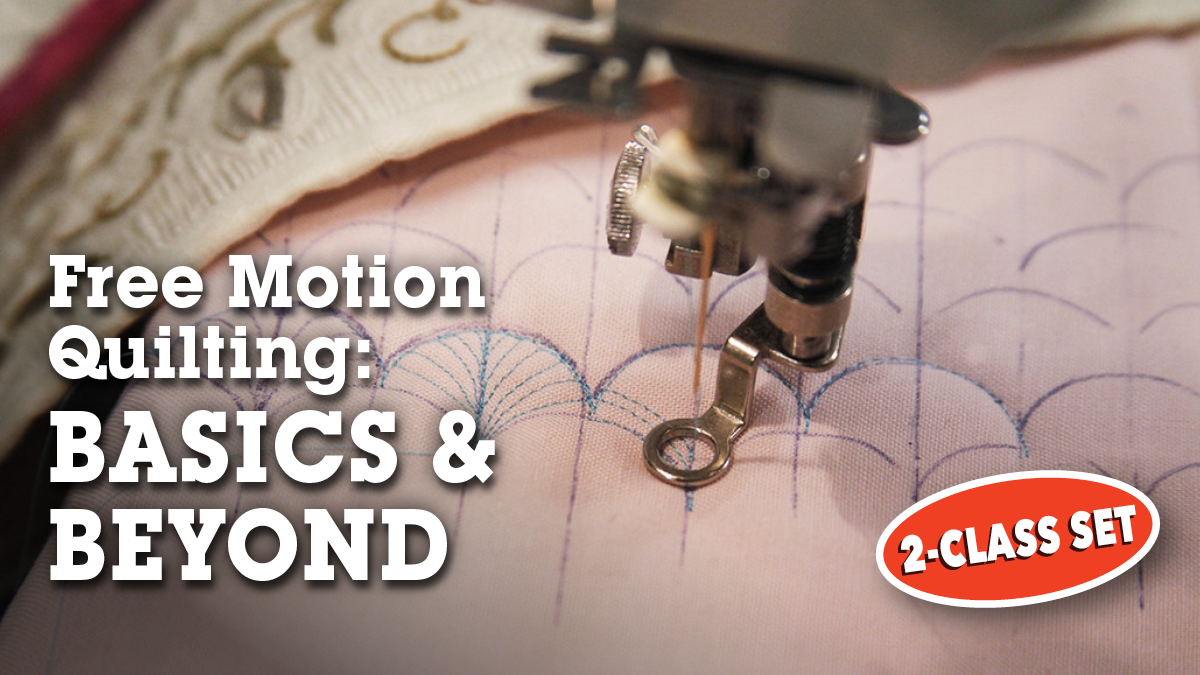
Credit: www.nationalquilterscircle.com
Basic Quilting Stitches
Discover the art of basic quilting stitches in “Quilting Techniques: Mastering the Basics And Beyond. ” Learn essential stitches for quilting projects. Mastering these foundational techniques sets the stage for endless creative possibilities in quilting.
Basic Quilting Stitches Quilting is an art form that has been passed down through generations, and mastering the basic quilting stitches is essential for creating beautiful and durable quilts. Learning these stitches will provide a solid foundation for more advanced techniques. In this article, we will delve into the two fundamental basic quilting stitches: The Running Stitch and The Backstitch.The Running Stitch
The running stitch is a simple and versatile quilting stitch that is commonly used for piecing quilt blocks together. It involves passing the needle in and out of the fabric in a straight line. This stitch is ideal for creating long, even stitches and is perfect for beginners due to its simplicity.The Backstitch
The backstitch is a strong and durable quilting stitch that is often used for quilting seams and attaching bindings. It involves stitching backward one stitch length and then forward two stitch lengths. This creates a solid line of stitching that is secure and prevents seams from unraveling over time. Mastering these basic quilting stitches is essential for any quilter looking to create stunning and long-lasting quilts. By honing these fundamental techniques, you can elevate your quilting skills and embark on more complex quilting projects with confidence.Advanced Quilting Techniques
Master the basics and beyond with advanced quilting techniques. Take your quilting skills to the next level and create stunning designs with intricate patterns and textures. Perfect for experienced quilters looking to elevate their craft.
Advanced Quilting Techniques take your quilting skills to the next level. These techniques require more practice and patience, but the results are worth it. One of the most popular advanced quilting techniques is Appliqué Mastery. This technique involves sewing a piece of fabric onto a larger piece of fabric to create a design or pattern. Another advanced quilting technique is Intricate Paper Piecing. This technique involves using small pieces of paper as a guide to sew together small fabric pieces to create a complex design. Let’s take a closer look at each of these techniques.Appliqué Mastery
Appliqué Mastery involves sewing small pieces of fabric onto a larger piece of fabric to create a design or pattern. This technique allows you to add intricate details and textures to your quilt. There are several types of appliqué techniques, including raw edge appliqué, needle turn appliqué, and fusible appliqué. Raw edge appliqué involves cutting out the fabric pieces and sewing them onto the larger piece of fabric with a small zigzag stitch. Needle turn appliqué involves folding the fabric under and using a needle to stitch it onto the larger piece of fabric. Fusible appliqué involves using a fusible web to adhere the fabric pieces onto the larger piece of fabric before sewing them into place.Intricate Paper Piecing
Intricate Paper Piecing is a technique that involves using small pieces of paper as a guide to sew together small fabric pieces to create a complex design. This technique is perfect for creating intricate patterns and designs that are difficult to achieve with traditional piecing methods. To start, you will need a pattern that has been printed onto paper. You will then use this pattern as a guide to cut out your fabric pieces and sew them together. Once you have sewn all the pieces together, you will remove the paper from the back of the quilt top to reveal your intricate design. In conclusion, mastering advanced quilting techniques like Appliqué Mastery and Intricate Paper Piecing can take your quilting skills to the next level. These techniques require practice and patience, but the results are worth it. Whether you are a beginner or an experienced quilter, these techniques are sure to inspire you to create beautiful and unique quilts.Quilting Patterns And Blocks
Explore the world of quilting patterns and blocks to create stunning pieces of art.
Classic Vs. Contemporary
Compare traditional quilting styles with modern, innovative designs.
Creating Your Own Patterns
Unleash your creativity by designing unique quilting patterns from scratch.
Finishing Touches
Completing a quilt with the right finishing touches is crucial to achieving a professional and polished result. From binding methods to quilt labeling and care, these final steps are essential in giving your quilt the attention it deserves.
Binding Methods
There are various binding methods you can use to finish the edges of your quilt. The most common ones include:
- Straight-grain binding
- Double-fold binding
- French-fold binding
- Continuous binding
Quilt Labeling And Care
Properly labeling and caring for your quilt is essential for preserving its beauty and history. When labeling your quilt, consider including the following details:
- Quilt maker’s name
- Date of completion
- Quilt name or pattern
- Inspiration behind the quilt
For quilt care, it’s important to follow specific guidelines to maintain its quality. This may include gentle washing, avoiding direct sunlight, and periodic airing to prevent damage.

Credit: www.amazon.com
Joining The Quilting Community
Being part of the quilting community offers a wealth of knowledge and support for both beginners and seasoned quilters.
Local Quilting Circles
Engage with fellow quilters in your area by joining local quilting circles.
- Share techniques and tips in person.
- Get inspiration from others’ work.
- Build lasting friendships with like-minded individuals.
Online Forums And Resources
Connect with quilters worldwide through online forums and resources.
- Access a vast array of quilting patterns and tutorials.
- Ask questions and receive advice from experienced quilters.
- Participate in virtual quilting challenges and swaps.
Conclusion
In the world of quilting, mastering the basics and exploring advanced techniques opens up a world of creative possibilities. By honing your skills in piecing, appliqué, and quilting, you can bring your unique vision to life. With dedication and practice, you can elevate your quilting to new heights and create stunning, one-of-a-kind pieces.


