

Fabric Frenzy: Unravel Textile Wonders & Trends
Fabric Frenzy is an exciting exploration of the diverse world of textiles and materials. In this blog, we will delve into the fascinating realm of fabrics, discussing their types, uses, and characteristics.
From luxurious silk to durable denim, we will uncover the secrets behind each fabric’s unique qualities. Whether you are a fashion enthusiast, a DIY enthusiast, or simply curious about the materials that surround us, this blog will provide you with valuable insights and inspiration.
Join us on this textile adventure as we unravel the wonders of fabric and showcase its endless possibilities.
The Evolution Of Textiles
Ancient civilizations used natural fibers to create fabrics. Over time, textiles have evolved.
Ancient Fabrics To Modern Marvels
- Ancient times: fibers from plants and animals
- Medieval era: wool, linen, and silk
- Industrial Revolution: synthetic fibers like polyester
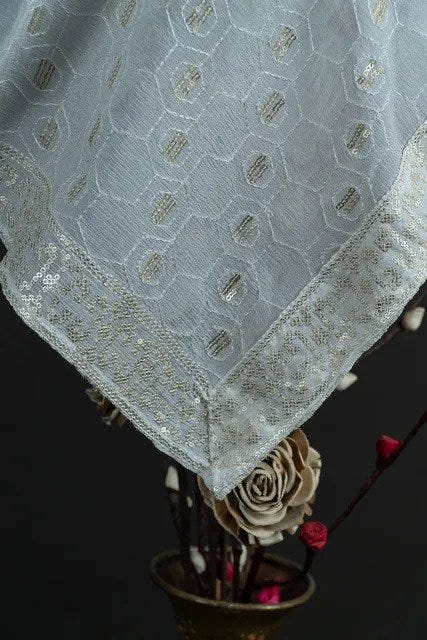
Technological Advancements In Weaving
- Introduction of mechanical looms
- Automation with computerized weaving machines
- Development of smart textiles with embedded sensors
Credit: medium.com
Fibers And Their Magic
Welcome to Fabric Frenzy: Exploring the World of Textiles and Materials! In this blog post, we will delve into the fascinating realm of fibers and their magical properties. From natural to synthetic fibers and innovative materials reshaping the fashion industry, we will uncover the wonders of these essential components of our everyday lives.
Natural Vs Synthetic Fibers
When it comes to fibers, there are two main categories: natural and synthetic. Natural fibers are derived from plants, animals, or minerals, while synthetic fibers are man-made using chemical processes. Let’s take a closer look at the characteristics of each:
| Natural Fibers | Synthetic Fibers |
|---|---|
|
|
While natural fibers offer comfort and breathability, synthetic fibers provide enhanced durability and performance. The choice between the two depends on the desired characteristics of the final textile product.
Innovative Materials Reshaping Fashion
The fashion industry is constantly evolving, and innovative materials are playing a significant role in this transformation. Here are some groundbreaking materials that are reshaping the way we perceive fashion:
- Recycled Fabrics: With sustainability at the forefront, recycled fabrics are gaining popularity. These materials are made from post-consumer waste, reducing the environmental impact of the fashion industry.
- Smart Textiles: Integrating technology with fashion, smart textiles have emerged as a game-changer. These fabrics can monitor health metrics, adjust temperature, and even charge electronic devices.
- Biodegradable Fibers: In an effort to combat the issue of textile waste, biodegradable fibers are being developed. These materials break down naturally, minimizing their ecological footprint.
These innovative materials not only offer new possibilities for designers but also contribute to a more sustainable and technologically advanced fashion industry.
Color And Pattern
Color and pattern play a crucial role in the world of textiles and materials, adding depth and visual interest to fabrics. Understanding the science of dyeing and staying updated on trending patterns are essential for anyone interested in this dynamic industry.
The Science Of Dyeing
Dyeing is a complex chemical process that involves the application of color to textiles. It’s a precise science that requires a deep understanding of how different dyes interact with various fabrics.
Trending Patterns In Current Textiles
From timeless classics to modern innovations, the textile industry is constantly evolving with new and trending patterns. Keeping an eye on the latest designs can provide valuable insight into consumer preferences and market trends.
Credit: allaboutfabrics.com
Sustainability In Textile Production
Sustainability in textile production is a crucial topic in today’s fashion industry. With growing awareness about environmental impact, the demand for eco-friendly and sustainable practices in textile manufacturing is on the rise.
Eco-friendly Practices
Textile manufacturers are increasingly adopting eco-friendly practices to reduce their environmental footprint. This includes implementing energy-efficient production processes and using natural dyes and chemicals that are less harmful to the environment.
The Rise Of Organic Fabrics
The popularity of organic fabrics is increasing as consumers seek sustainable alternatives. Organic cotton, linen, and hemp are gaining traction due to their biodegradability and minimal use of pesticides and synthetic fertilizers.
Cultural Textile Significance
Delve into the rich tapestry of cultural textile significance worldwide, as ‘Fabric Frenzy’ unravels the diverse stories woven into fabrics and materials across the globe. Explore the intricate threads of tradition and history that shape our global textile heritage.
Tradition Meets Trend
In the world of textiles and materials, cultural significance plays a vital role in the design and creation process. The fusion of tradition and modernity is what makes textiles and materials unique and captivating. The trend of incorporating cultural significance in fashion and interior design is not new, but it is continuously evolving. Designers are constantly exploring new techniques and materials to create designs that honor tradition while embracing modernity.
Global Influences On Textile Design
Textile design is not limited to a specific culture or region; rather, it draws inspiration from various cultural practices and traditions worldwide. From African prints to Indian embroidery, each culture has its unique textile design that reflects its history, values, and lifestyle. The global influence on textile design is not only limited to traditional techniques but also modern technologies. The use of modern technology has allowed designers to experiment and create innovative designs that pay homage to traditional techniques. In conclusion, cultural textile significance is an essential aspect of textile and material design. It adds depth and meaning to designs and creates a connection between people and their cultural heritage. The fusion of tradition and modernity and the global influence on textile design has resulted in a diverse range of designs that are captivating and unique. Whether it’s fashion or interior design, the incorporation of cultural significance will continue to play a crucial role in the design process.
Functional Textiles
Embark on a journey through the diverse realm of functional textiles in “Fabric Frenzy: Exploring the World of Textiles and Materials. ” Discover innovative fabrics designed to enhance performance and comfort, revolutionizing the way we interact with clothing and materials.
Functional Textiles play a significant role in our daily lives, providing us with clothing that not only looks good but also serves a purpose. From sportswear to wearable technology, these fabrics are designed to provide comfort, safety, and functionality. In this article, we explore the world of Functional Textiles, with a particular focus on Performance Fabrics in Sportswear and Smart Textiles and Wearable Technology.
Performance Fabrics In Sportswear
Athletes demand a lot from their clothing, and Performance Fabrics in Sportswear are designed to meet those demands. These fabrics are engineered to provide breathability, moisture-wicking, and temperature regulation, all while being lightweight and flexible. They are designed to maximize the wearer’s performance, whether they are running, cycling, or playing team sports. Some popular Performance Fabrics in Sportswear include:
- Polyester: A synthetic fabric that is lightweight, breathable, and moisture-wicking. It is often used in activewear and running shirts.
- Nylon: A durable and stretchy fabric that is often used in compression gear and yoga pants.
- Spandex: A stretchy fabric that is often blended with other fabrics to provide flexibility and support.
Smart Textiles And Wearable Technology
Smart Textiles and Wearable Technology are revolutionizing the way we interact with our clothing. These fabrics are embedded with sensors, electronics, and other advanced technologies that can monitor our health, track our movements, and even charge our devices. They are designed to be both functional and fashionable, offering a seamless integration of technology into our daily lives. Some examples of Smart Textiles and Wearable Technology include:
| Product | Description |
|---|---|
| Smart Clothing | Clothing that is embedded with sensors and electronics to monitor our health and fitness. |
| Smart Watches | Watches that can track our activity levels, heart rate, and even make phone calls. |
| Smart Fabrics | Fabrics that can change color or texture in response to environmental changes, such as temperature or humidity. |
In conclusion, Functional Textiles are an essential part of our lives, providing us with clothing that not only looks good but also serves a purpose. From Performance Fabrics in Sportswear to Smart Textiles and Wearable Technology, these fabrics are designed to meet our needs and enhance our daily experiences.
Textile Artistry And Craftsmanship
Discover the intricate world of textile artistry and craftsmanship, where creativity meets skill.
Handcrafted Textiles
Artisanal textiles are meticulously crafted by hand, each piece unique and full of character.
The Revival Of Artisanal Techniques
A resurgence in traditional techniques brings new life to textile craftsmanship, blending heritage with contemporary style.
The Future Of Textiles
As we look ahead, the textile industry is poised for remarkable advancements and changes.
Innovations On The Horizon
1. Sustainable fabrics like organic cotton and bamboo gaining popularity. 2. Smart textiles embedded with technology for interactive clothing. 3. 3D printing revolutionizing the way fabrics are designed and produced.
The Role Of Textiles In Future Lifestyles
1. Textiles seamlessly integrating into smart homes for automated living. 2. Fabrics with health-monitoring capabilities for personalized well-being. 3. Wearable technology becoming more prevalent in everyday clothing.
Credit: www.etsy.com
Conclusion
In the fascinating world of textiles, the diversity of fabrics and materials offers endless possibilities for creativity and innovation. From traditional to high-tech, the fabric frenzy provides a rich tapestry of options for fashion, home decor, and industrial applications. Exploring this realm unveils a world of textures, colors, and patterns waiting to be discovered and utilized.


