

Fabric Frenzy: Exploring the World of Textiles And Materials
Fabric Frenzy is a captivating exploration of textiles and materials, offering a comprehensive overview of this vast world. In this blog, we delve into the fascinating history, types, and uses of fabrics, providing insights and inspiration for both enthusiasts and professionals.
From luxurious silks to durable denims, each fabric has its own unique characteristics and applications, making it an essential component of fashion, interior design, and various industries. Join us on this exciting journey as we uncover the secrets behind the creation and innovation of textiles, and discover how they shape our everyday lives.
Whether you’re a textile aficionado or simply curious about the world of fabrics, this blog is your ultimate guide to all things textile-related.
Credit: allaboutfabrics.com
The Fabric Of Society
The world of textiles and materials holds a significant place in our society, touching every aspect of our lives. From the clothes we wear to the furniture we sit on, fabrics play a vital role in defining our cultural identity and shaping our historical progression. Let’s dive into the fascinating world of textiles and explore their cultural significance and historical progression.
Cultural Significance
Fabrics and textiles have deep cultural roots, reflecting the traditions, values, and customs of different societies around the globe. They serve as a medium of self-expression, showcasing the unique identities of various cultures.
Here are some ways in which fabrics hold cultural significance:
- Traditional Clothing: Fabrics play a crucial role in traditional clothing, representing cultural heritage and identity. From the vibrant African wax prints to the elegant silk sarees of India, each fabric tells a story of its own.
- Symbolism and Rituals: Fabrics are often used in ceremonies, rituals, and celebrations, symbolizing important aspects of a culture. For example, the wedding gown’s white fabric signifies purity and new beginnings in many Western cultures.
- Art and Craft: Textiles are a medium for artistic expression, with intricate patterns, embroidery, and weaves showcasing the craftsmanship and creativity of different cultures.
Historical Progression
The history of fabrics and textiles is intertwined with the progress of human civilization. From the early days of animal hides and plant fibers to the modern technological advancements, textiles have evolved significantly over time.
Let’s explore the historical progression of fabrics:
- Natural Fibers: In ancient times, people utilized natural fibers like cotton, silk, wool, and linen to create fabrics. These materials were obtained from plants and animals, and their production techniques varied across different regions.
- Industrial Revolution: The invention of the spinning jenny and power loom during the Industrial Revolution revolutionized textile production. It led to the mass production of fabrics, making them more accessible to people.
- Synthetic Fibers: The 20th century witnessed the emergence of synthetic fibers like nylon, polyester, and acrylic. These man-made materials offered durability, affordability, and diverse properties, opening up new possibilities in the textile industry.
- Sustainable Practices: In recent years, there has been a growing emphasis on sustainable and eco-friendly textiles. Innovations such as organic cotton, recycled fabrics, and plant-based fibers aim to reduce the environmental impact of textile production.
Fiber Fundamentals
Fiber fundamentals are the building blocks of textiles, encompassing a wide array of materials that form the basis of fabrics. Understanding the differences between natural and synthetic fibers, as well as their properties and uses, is essential for anyone delving into the world of textiles and materials.
Natural Vs. Synthetic Fibers
Natural fibers are derived from plants, animals, or minerals. Examples include cotton, wool, silk, and linen. On the other hand, synthetic fibers are man-made and include materials such as polyester, nylon, and acrylic.
Properties And Uses
Natural fibers are known for their breathability, comfort, and biodegradability, making them ideal for clothing and home textiles. In contrast, synthetic fibers often offer durability, wrinkle resistance, and moisture-wicking properties, making them suitable for activewear, outdoor gear, and upholstery.
Textile Techniques Unraveled
Delve into the captivating world of textiles with “Textile Techniques Unraveled. ” Explore a fabric frenzy of diverse materials and innovative techniques, unveiling the artistry behind every thread and weave. Discover the intricate stories woven into each piece, celebrating the rich tapestry of textile craftsmanship.
If you’re a lover of fabrics, you know that there’s more to textiles than meets the eye. Textile techniques are a fascinating aspect of the world of fabrics that involves intricate skills and methods. In this post, we’ll take a closer look at some of the most popular textile techniques, including weaving, knitting, dyeing, and printing.Weaving And Knitting
Weaving and knitting are two of the oldest and most widely used textile techniques. Weaving is the process of interlacing two sets of yarns or threads at right angles to create a fabric. Knitting, on the other hand, is a method of creating a fabric by interlocking loops of yarn or thread. Both techniques can be done by hand or using a machine.Dyeing And Printing
Dyeing and printing are two methods used to add color and designs to textiles. Dyeing involves immersing the fabric in a solution of dye to give it a new color. There are many different types of dyes, including natural and synthetic dyes. Printing, on the other hand, involves applying a design or pattern to the surface of the fabric using a variety of techniques such as screen printing, block printing, or digital printing. In conclusion, understanding textile techniques is an essential part of appreciating the world of fabrics and textiles. Whether you’re a fashion designer, a textile artist, or simply a lover of beautiful fabrics, knowing these techniques will help you understand and appreciate the intricacies of the textiles you work with.Innovations In Textile Industry
Explore the dynamic world of textiles and materials with the latest innovations in the textile industry. From sustainable fabrics to smart textiles, the industry is buzzing with new developments that promise to revolutionize the way we think about and use textiles.
Whether it’s advancements in performance fabrics or eco-friendly materials, the fabric frenzy is showcasing the endless possibilities in the textile industry.
The textile industry has been undergoing rapid changes in recent years. From the introduction of new materials to innovative manufacturing techniques, the industry is continuously evolving. In this post, we will explore some of the most significant innovations in the textile industry, with a particular focus on smart fabrics and sustainable practices.Smart Fabrics
Smart fabrics are a relatively new development in the textile industry, but they are already making a significant impact. These textiles are designed to be more than just a piece of fabric; they incorporate technology to enhance their functionality. Smart fabrics can do everything from monitor your heart rate to regulate your body temperature. They are used in a range of applications, from sports clothing to medical devices. The potential for smart fabrics is enormous, and we can expect to see more and more innovative products in the coming years.Sustainable Practices
The textile industry has been criticized for its impact on the environment, but there are also many efforts to make the industry more sustainable. Sustainable practices can take many forms, from using recycled materials to reducing water usage during production. Many companies are also investing in research to develop more sustainable materials, such as organic cotton or bamboo. By adopting sustainable practices, the textile industry can reduce its environmental impact while also meeting the growing demand for eco-friendly products. In conclusion, the textile industry is continually evolving, and innovations in smart fabrics and sustainable practices are driving this change. By incorporating technology and adopting sustainable practices, the industry can create products that are not only functional but also environmentally friendly. As consumers become more conscious of their impact on the environment, the demand for eco-friendly products will only continue to grow.Fashion And Functionality
When it comes to textiles and materials, the blend of fashion and functionality plays a crucial role. High Fashion Materials and Performance Textiles are prime examples of this dynamic relationship.
High Fashion Materials
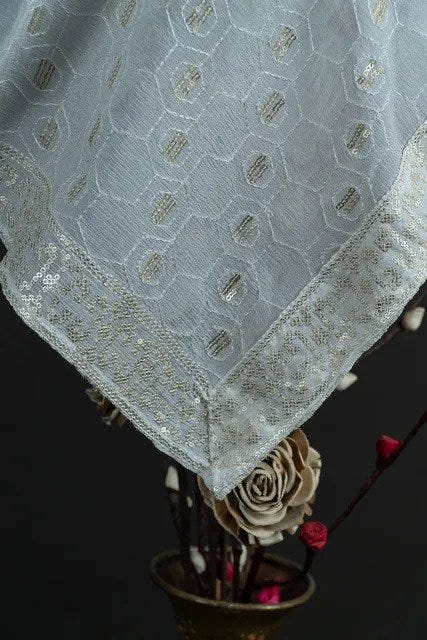
High Fashion Materials combine style and quality, elevating garments to luxurious levels. Silk, cashmere, and satin are popular choices for high-end fashion due to their elegance and comfort.
Performance Textiles
Performance Textiles are designed for functionality, offering features like moisture-wicking, UV protection, and durability. Fabrics such as Gore-Tex and spandex are widely used in activewear for their performance-enhancing properties.
Credit: medium.com
Global Tapestry Of Trade
Fabric Frenzy: Exploring the World of Textiles And Materials is a fascinating journey into the intricate and diverse global tapestry of trade. The textile trade has been an integral part of human civilization, representing the rich cultural heritage and economic significance of various regions around the world.
Importance Of Textile Trade
Textile trade holds immense importance as it not only contributes significantly to the global economy but also plays a pivotal role in preserving traditional craftsmanship and fostering international relations. The exchange of textiles has been a longstanding tradition, shaping the cultural and economic landscapes of nations.
Impact Of Globalization
The impact of globalization on textile trade has been profound, leading to the expansion of markets, diversification of products, and the integration of supply chains on a global scale. This interconnectedness has facilitated the exchange of ideas, techniques, and materials, further enriching the global textile industry.
Care And Conservation
Maintenance Tips
Regularly vacuum and dust fabrics to prevent dirt buildup.
Spot clean stains promptly with a mild detergent and water.
Avoid exposing textiles to direct sunlight to prevent fading.
Longevity And Recycling
Choose high-quality fabrics for longer-lasting durability.
Consider repurposing old textiles for crafts or donating them to charity.
Recycle worn-out fabrics at designated textile recycling centers.
Credit: www.etsy.com
The Future Of Fabrics
The Future of Fabrics is an exciting realm where innovation and sustainability intersect. As we look ahead, let’s explore Emerging Materials and Trends to Watch in the ever-evolving world of textiles.
Emerging Materials
1. Plant-based fabrics like pineapple and mushroom leather.
2. Recycled plastics turned into high-quality polyester.
3. Smart textiles embedded with technology for various functionalities.
Trends To Watch
1. Sustainable fabrics gaining popularity for eco-conscious consumers.
2. Digital printing revolutionizing fabric design and customization.
3. Bioengineered textiles offering new possibilities in material production.
Conclusion
As we unravel the diverse world of textiles, we discover the beauty and versatility of fabrics. From luxurious silks to durable denims, each material tells a unique story. Embrace the endless possibilities of design and creativity that await in the fabric frenzy of our world.
Let your imagination soar with every stitch and weave.


