

Fabric Cleaning Techniques: Gentle Methods for Removing Stains And Dirt
Use gentle methods like blotting and cold water to remove stains from fabrics. Avoid harsh chemicals to protect delicate materials.
Fabric cleaning can be challenging, especially for delicate materials. Using gentle techniques not only ensures the longevity of your fabrics but also maintains their appearance. Blotting stains instead of rubbing them prevents further spreading and damage. Cold water is effective for many stains, as it helps to lift dirt without setting it deeper into the fibers.
Mild detergents and natural solutions like vinegar and baking soda are excellent alternatives to harsh chemicals. These methods are safe for various fabric types, making them versatile and reliable. By adopting these gentle cleaning techniques, you can keep your fabrics clean and in good condition for years to come.
Introduction To Fabric Care
Taking care of fabrics is important. Fabrics are in our clothes, furniture, and more. Keeping them clean makes them last longer. Fabric care is about using the right methods to clean without causing damage. This helps in keeping colors bright and materials strong.
Importance Of Gentle Cleaning
Gentle cleaning is vital for fabric care. Harsh methods can ruin fabrics. Gentle methods keep fabrics looking new. They also protect the fibers. Gentle cleaning means using mild soaps and soft brushes. This avoids tears and keeps fabrics soft.
Types Of Fabrics And Their Cleaning Needs
Different fabrics need different care. Here is a list of common fabrics and their cleaning needs:
| Fabric Type | Cleaning Method |
|---|---|
| Cotton | Machine wash on a gentle cycle |
| Silk | Hand wash with mild detergent |
| Wool | Dry clean or hand wash in cold water |
| Synthetic (Polyester, Nylon) | Machine wash in warm water |
| Linen | Hand wash or machine wash on a gentle cycle |
Here are some tips for different types of fabrics:
- Cotton: Use cold water to prevent shrinkage.
- Silk: Avoid wringing out the water.
- Wool: Lay flat to dry to keep its shape.
- Synthetics: Use fabric softener to reduce static.
- Linen: Iron while damp to remove wrinkles.
By knowing your fabrics, you can choose the best cleaning method. This helps in preserving the beauty and longevity of your fabrics. Happy cleaning!
Pre-treatment Strategies
Pre-treatment is key for effective fabric cleaning. It helps in breaking down stains and loosening dirt. This makes the main cleaning process easier and more efficient.
Identifying Stains For Proper Treatment
Different stains need different treatments. Identifying the type of stain is crucial. Here are common types of stains and their characteristics:
| Type of Stain | Characteristics |
|---|---|
| Oil-Based | Greasy and dark |
| Protein-Based | Organic and sticky |
| Dye-Based | Bright and colorful |
Homemade Solutions Vs. Commercial Stain Removers
Choosing between homemade solutions and commercial stain removers depends on the stain and fabric type. Both have their pros and cons.
Homemade Solutions
- Baking Soda: Great for absorbing odors and mild stains.
- Vinegar: Effective for tackling acidic stains.
- Lemon Juice: Works well on light-colored fabrics.
Commercial Stain Removers
- Enzymatic Cleaners: Ideal for protein-based stains.
- Oxygen Bleach: Safe for colors and removes tough stains.
- Stain Pens: Handy for on-the-go stain treatment.
Cold Water Washing
Cold water washing is a gentle method for cleaning fabrics. It helps remove stains and dirt without damaging the fabric. This method is suitable for delicate materials and everyday clothes.
Benefits Of Using Cold Water
Using cold water for washing has many benefits. It is energy-efficient and environmentally friendly. Cold water preserves the color and texture of fabrics. Here are some key benefits:
- Energy Savings: Cold water uses less energy than hot water.
- Fabric Protection: Cold water prevents fabric shrinkage and color bleeding.
- Cost-Effective: Lower energy bills with cold water washing.
Best Practices For Cold Water Soaking
Cold water soaking helps in pre-treating stains and dirt. Follow these best practices for effective results:
- Use Mild Detergent: Choose a detergent designed for cold water.
- Soak Time: Soak fabrics for at least 30 minutes.
- Gentle Agitation: Gently rub the fabric during soaking for better results.
- Rinse Thoroughly: Rinse the fabric well to remove detergent residue.
Here is a quick comparison of using cold water versus hot water:
| Aspect | Cold Water | Hot Water |
|---|---|---|
| Energy Use | Low | High |
| Fabric Wear | Low | High |
| Color Retention | High | Low |
Cold water washing is gentle and effective. It keeps your fabrics looking new. Use these techniques to maintain your clothes and extend their life.
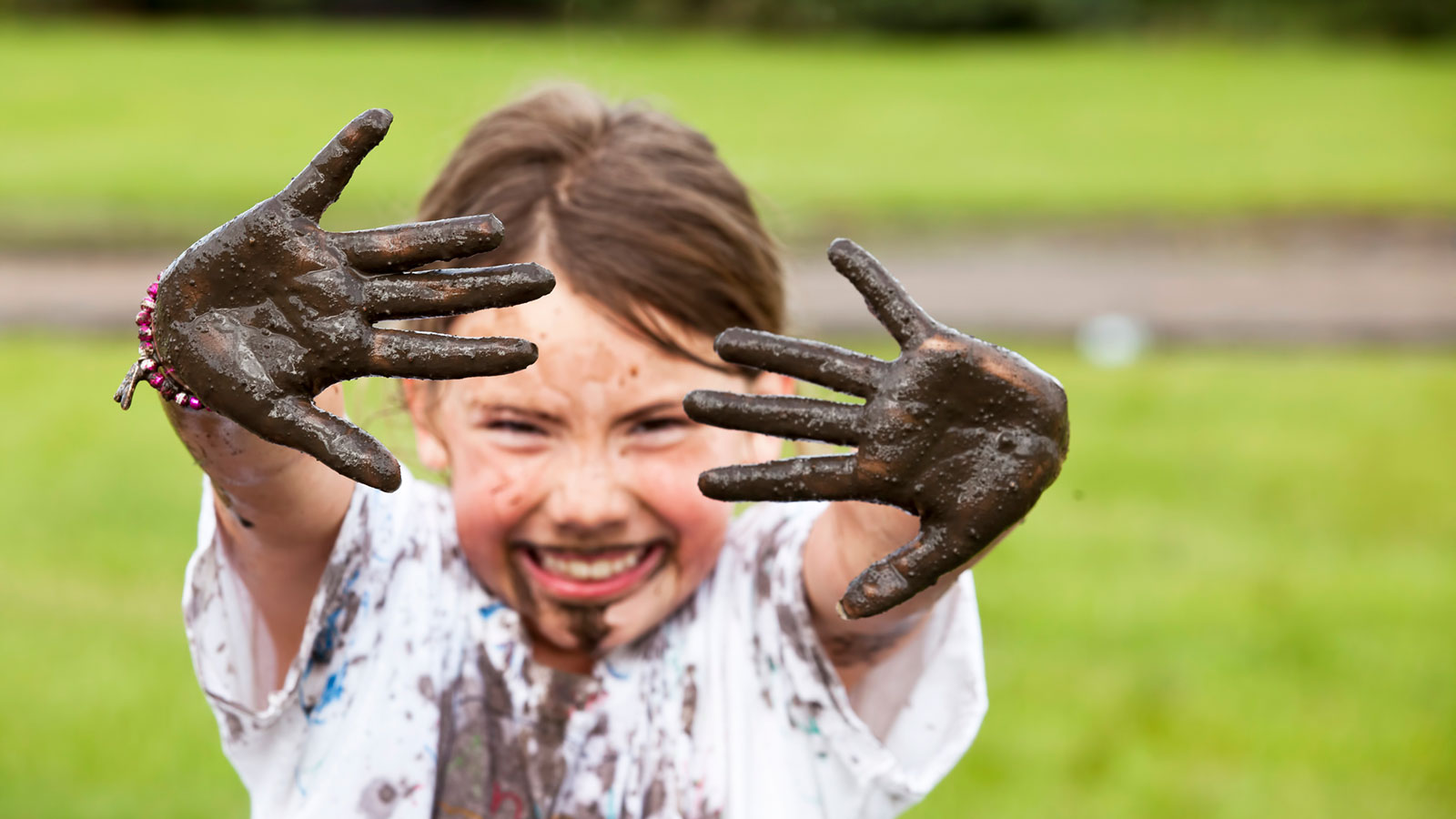
Credit: home.howstuffworks.com
Hand Washing Delicates
Hand washing delicates can be a challenging task. This method ensures your precious items remain in perfect condition. Using the right technique, you can remove stains and dirt without damage.
Step-by-step Guide To Hand Washing
Follow this simple guide to hand wash your delicate fabrics:
- Fill a basin: Use lukewarm water. Add a gentle detergent.
- Submerge the fabric: Place your delicate item in the water.
- Gently agitate: Swirl the fabric in the water. Avoid scrubbing.
- Soak: Let the fabric sit for 10-15 minutes.
- Rinse: Remove the fabric. Rinse with cool water until clear.
- Press out water: Gently press the fabric. Do not wring.
Drying Techniques For Delicate Fabrics
Proper drying is crucial for delicate fabrics. Follow these tips:
- Lay flat: Place the item on a clean towel.
- Roll the towel: Gently roll the towel to remove excess water.
- Air dry: Lay the fabric flat on a dry towel. Keep it away from direct sunlight.
| Fabric Type | Drying Method |
|---|---|
| Silk | Lay flat on a clean towel. |
| Lace | Roll in a towel, then lay flat. |
| Cashmere | Press between towels, then air dry. |
These gentle methods ensure your delicates stay beautiful and clean. Avoid harsh techniques to protect your fabrics.
Eco-friendly Cleaning Agents
Eco-friendly cleaning agents are essential for fabric care. They protect the environment and your health. Using natural and safe products can effectively remove stains and dirt. Let’s explore some eco-friendly options.
Natural Stain Removal Recipes
Natural stain removal recipes are simple and effective. You can make them at home with common ingredients. Below are a few easy recipes:
- Lemon Juice and Salt: Mix lemon juice with salt. Apply to the stain and let it sit for 30 minutes. Rinse with cold water.
- Baking Soda Paste: Mix baking soda with water to form a paste. Apply to the stain, let it dry, then brush off the residue.
- Vinegar and Water: Mix equal parts vinegar and water. Spray on the stain and blot with a clean cloth.
Environmentally Safe Detergents
Environmentally safe detergents are free from harmful chemicals. They are biodegradable and gentle on fabrics. Here are a few popular options:
| Brand | Features |
|---|---|
| Seventh Generation | Plant-based, hypoallergenic, and biodegradable |
| Mrs. Meyer’s | Essential oils, no synthetic fragrances, cruelty-free |
| ECOS | Plant-powered, pH balanced, greywater safe |
Using these eco-friendly cleaning agents helps keep your fabrics clean. They are safe for your family and the planet.
Spot Cleaning Techniques
Spot cleaning is a quick way to remove stains and dirt from fabric. It targets specific areas without washing the entire item. This method is gentle and effective. It also helps to extend the fabric’s life.
Targeting Stubborn Stains
Stubborn stains can be tricky. Here are steps to tackle them:
- Identify the stain type (oil, ink, food, etc.).
- Blot the stain gently with a clean cloth.
- Apply a small amount of mild detergent or stain remover.
- Gently rub the area with a soft brush or cloth.
- Rinse with cold water and blot dry.
Remember to always test a small area first.
Tools And Brushes For Spot Cleaning
Using the right tools ensures effective cleaning. Here is a list of useful tools:
- Soft-bristled brushes: These are gentle on fabric.
- Microfiber cloths: They absorb well and do not scratch.
- Spray bottles: For applying cleaning solutions evenly.
- Small sponges: Ideal for soaking up liquids.
Choose tools that match the fabric type. Delicate fabrics need softer tools. Sturdy fabrics can handle firmer brushes.
Machine Washing Tips
Machine washing can simplify fabric cleaning. It saves time and effort. Follow these tips to ensure your fabrics come out fresh and clean.
Choosing The Right Cycle And Temperature
Selecting the correct cycle is crucial. Different fabrics need different cycles. For example, cottons may need a normal cycle. Delicates require a gentle cycle. Always check the care label on your fabric.
Temperature also matters. Hot water can set stains. Cold water is best for delicate fabrics. Warm water works well for most other fabrics. Refer to the care label for the best temperature.
| Fabric Type | Cycle | Temperature |
|---|---|---|
| Cotton | Normal | Warm |
| Delicate | Gentle | Cold |
| Synthetic | Permanent Press | Warm |
Protective Accessories For Washing Machines
Using protective accessories can prolong the life of your fabrics. Mesh laundry bags are great for delicates. They prevent snags and tangles.
Consider using a fabric softener. It reduces friction and adds a protective layer. Dryer balls can also help. They keep fabrics soft and reduce drying time.
- Mesh laundry bags for delicates
- Fabric softener for added protection
- Dryer balls for softness and quick drying
Maintaining Fabric Integrity
Preserving the quality of your fabrics is essential. Gentle cleaning methods can help. Avoid harsh chemicals and methods to keep fabrics looking new. Here, we will explore some effective techniques.
Avoiding Common Cleaning Mistakes
Many people make cleaning mistakes that damage fabrics. Avoid these errors to keep fabrics in good condition:
- Overloading the Washer: Too many clothes can lead to poor cleaning.
- Using Hot Water: Hot water can shrink or fade fabrics.
- Incorrect Detergents: Some detergents are too harsh for delicate fabrics.
- Ignoring Care Labels: Always follow the care instructions on the labels.
Routine Care For Longevity Of Fabrics
Regular care helps fabrics last longer. Follow these steps to maintain your fabrics:
- Weekly Dusting: Dust fabrics to remove surface dirt.
- Spot Cleaning: Treat stains immediately to prevent them from setting.
- Gentle Washing: Use a mild detergent and cold water.
- Proper Drying: Air dry fabrics to prevent shrinkage.
Here is a simple table to summarize fabric care tips:
| Care Step | Action | Frequency |
|---|---|---|
| Dusting | Use a soft brush or cloth | Weekly |
| Spot Cleaning | Use mild soap and water | As needed |
| Washing | Use gentle cycle | Monthly |
| Drying | Air dry or low heat | After washing |
Professional Cleaning Options
Choosing professional cleaning options can be a smart move. These services use advanced techniques to clean fabrics. They handle delicate fabrics with care. Professional services offer solutions for tough stains and dirt.
When To Consider Dry Cleaning
Dry cleaning is perfect for delicate fabrics. It works well for clothes with complex designs. This method avoids water, using a special solvent instead. It’s ideal for items like silk, wool, and cashmere. Dry cleaning helps maintain the fabric’s texture and color.
Signs You Need Dry Cleaning:
- Stubborn stains that won’t come out
- Fabrics that shrink in water
- Items with intricate details
- Special materials like silk or wool
Selecting A Reputable Cleaning Service
Choosing a reliable cleaning service is crucial. Not all services offer the same quality. Look for services with good reviews and ratings. Ensure they have experience with your fabric type. Ask about their cleaning methods and products.
Questions to Ask:
- What cleaning methods do you use?
- Do you have experience with this fabric?
- How do you handle delicate items?
- What cleaning products do you use?
Checking these points ensures a safe cleaning process. It helps in maintaining the fabric’s quality and longevity.
:max_bytes(150000):strip_icc()/stain-removal-tips-1900644-final-4b3ccb1ecfe043729f7237c85dd19be2.png)
Credit: www.thespruce.com
Conclusion: The Art Of Fabric Maintenance
Fabric maintenance is an essential skill. It ensures the longevity of your textiles. Understanding gentle cleaning techniques can save your favorite garments. These methods also protect the environment. Let’s dive into the art of fabric maintenance.
Summary Of Gentle Cleaning Techniques
- Hand Washing: Use lukewarm water and mild detergent. Gently rub the fabric to remove dirt.
- Spot Cleaning: Dab stains with a soft cloth and mild soap. Avoid scrubbing to prevent fabric damage.
- Air Drying: Lay garments flat on a clean surface. This prevents stretching and shrinking.
- Steaming: Use a handheld steamer to remove wrinkles. It freshens up the fabric without harsh heat.
Encouraging A Sustainable Approach To Fabric Care
Caring for fabrics sustainably benefits the planet. It reduces waste and pollution. Here are some tips for eco-friendly fabric care:
- Use Cold Water: Wash clothes in cold water to save energy.
- Choose Natural Detergents: Opt for biodegradable and chemical-free options.
- Repair and Reuse: Mend small tears and repurpose old fabrics.
- Reduce Frequency: Wash clothes less often to extend their lifespan.
By following these gentle cleaning techniques, you can master the art of fabric maintenance. You will ensure your fabrics stay beautiful and last longer. Sustainable fabric care is a win-win for you and the environment.

Credit: www.amazon.com
Conclusion
Mastering gentle fabric cleaning techniques ensures your clothes stay fresh and last longer. Use these methods for effective stain and dirt removal. Regular care and the right approach can keep your fabrics in top condition. Always choose the best technique for each fabric type to maintain its quality.
Happy cleaning!


