

Home Decor Color Theory: Using Fabric to Create a Cohesive Color Scheme
Fabric plays a vital role in creating a cohesive color scheme for home decor. By using fabric strategically, you can achieve a harmonious and visually appealing look in your space.
:strip_icc()/living-room-multiple-framed-artwork-couch-3f5e0e81-1fd9c76251454f01ad7f2a7f98c0d3da.jpg)
Credit: www.bhg.com
The Basics Of Color Theory
Learn the basics of color theory for home decor by utilizing fabric to establish a harmonious color palette. Create a cohesive scheme by incorporating complementary hues and textures, enhancing the overall aesthetic of your living space.
Primary Colors In Home Decor
Primary colors are red, blue, and yellow.
Understanding The Color Wheel
The color wheel consists of primary, secondary, and tertiary colors.
Primary colors are the basis of all other colors.
Secondary colors are created by mixing primary colors.
Tertiary colors are formed by mixing primary and secondary colors.
Complementary colors are opposite on the color wheel.
Analogous colors are next to each other on the color wheel.
Triadic colors form an equilateral triangle on the color wheel.
Psychology Of Colors In Interior Design
Using fabric is a great way to incorporate color theory in home decor. The psychology of colors in interior design plays a crucial role in creating a cohesive color scheme. By carefully choosing fabrics in different hues and shades, you can achieve a harmonious and aesthetically pleasing look in your home.
Color plays a crucial role in interior design as it has the power to evoke specific emotions and create different moods within a space. Understanding the psychology of colors can help you make informed decisions when it comes to selecting fabrics for your home decor. By incorporating the right colors, you can create a cohesive and visually appealing color scheme that complements your overall design aesthetic.
Emotional Responses To Color
Different colors have the ability to elicit specific emotional responses in individuals. Here’s a breakdown of some common colors and the emotions they are often associated with:
– Red: This vibrant color is often associated with energy, passion, and excitement. It can create a sense of warmth and intensity in a room, making it an excellent choice for spaces where you want to stimulate conversation and activity.
– Blue: Often associated with calmness, serenity, and relaxation, blue is a popular choice for bedrooms and bathrooms. It has a soothing effect on the mind and can help create a tranquil atmosphere.
– Yellow: Yellow is known for its cheerful and uplifting qualities. It can evoke feelings of happiness and optimism, making it a great choice for spaces where you want to create a lively and energetic ambiance.
– Green: As the color of nature, green is often associated with feelings of freshness, harmony, and balance. It can create a calming and refreshing atmosphere, making it a popular choice for bedrooms and living rooms.
– Orange: With its warm and vibrant nature, orange is often associated with enthusiasm, creativity, and warmth. It can add a pop of energy to a room and create a welcoming and inviting atmosphere.
Color Temperature And Mood
Apart from the emotional responses, colors also have different temperature associations that can influence the mood of a space. Warm colors such as reds, oranges, and yellows tend to create a cozy and intimate atmosphere, while cool colors such as blues and greens can evoke a sense of tranquility and calmness.
By understanding the impact of color temperature on mood, you can strategically use fabric colors to create the desired ambiance in your home. For instance, if you want to create a relaxing and serene bedroom, you may opt for cool-toned fabrics in shades of blue or green. On the other hand, if you want to infuse energy and vibrancy into your living room, you might choose warm-toned fabrics in shades of red or orange.
Selecting the right fabric colors for your home decor is not just about personal preference or aesthetic appeal. It’s about understanding the psychology of colors and how they can influence emotions and create a specific mood within a space. By leveraging this knowledge, you can create a cohesive color scheme that enhances the overall ambiance of your home.
Selecting Your Palette: Starting Points
Start your home decor color journey by selecting your palette. Utilize fabric to establish a cohesive color scheme. Let your fabric choices guide your color selections for a harmonious and stylish look throughout your living space.
When it comes to home decor, color plays a significant role in creating a cohesive look. One way to achieve this is by using fabric to tie together your color scheme. But with so many colors and patterns to choose from, where do you start? Here are a few starting points to help you select the perfect color palette for your space.
Inspirational Artwork and Nature
One way to find inspiration for your color scheme is through artwork or nature. Look for a painting or photograph that you love and pull out a few colors that speak to you. You can use these colors as a starting point for your fabric choices. If you prefer to look to nature for inspiration, take a walk outside and notice the colors around you. Perhaps you’re drawn to the soft greens of leaves or the warm oranges of a sunset. These colors can also serve as a basis for your fabric choices.
Existing Furniture and Architectural Features
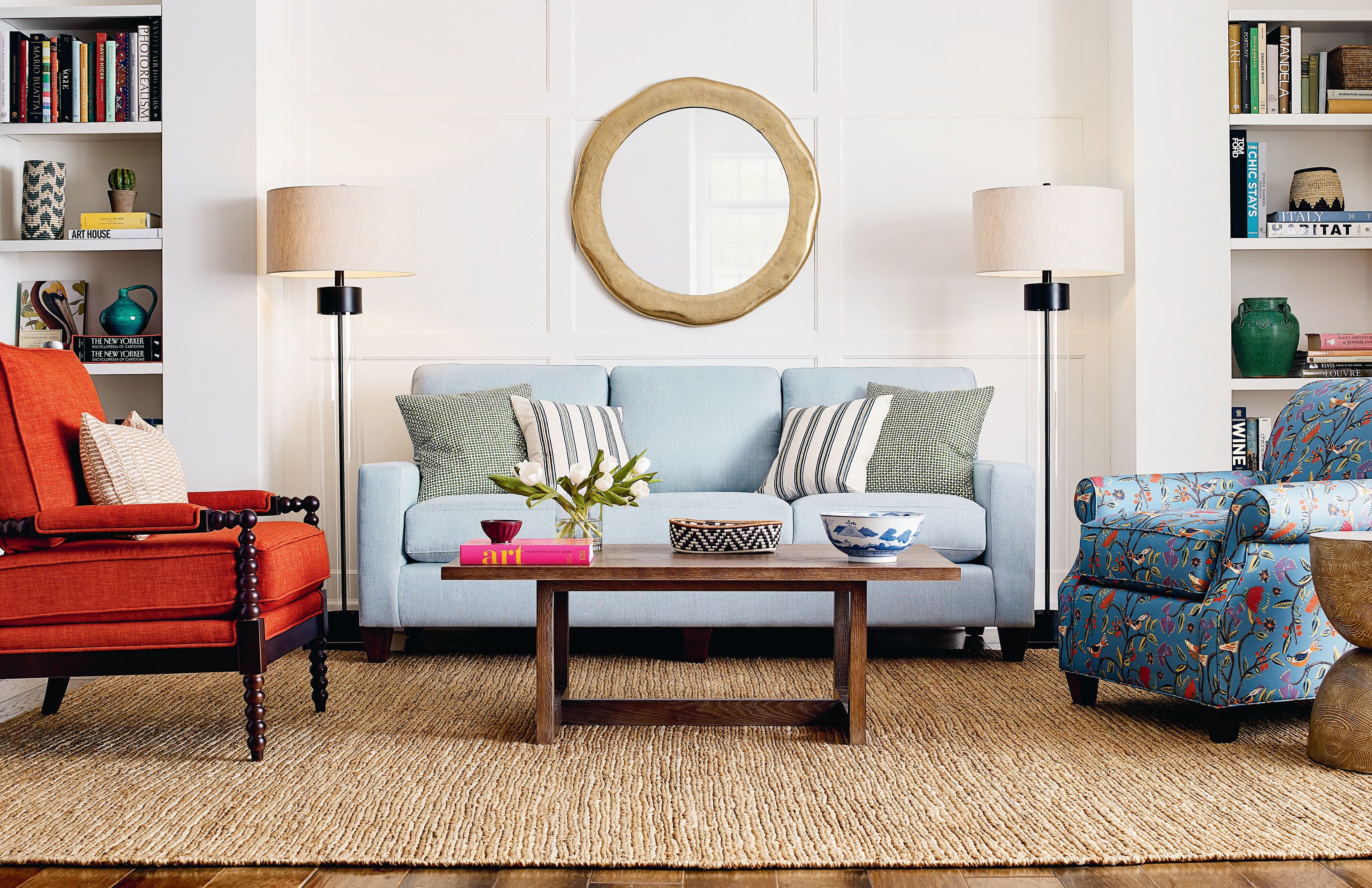
Another way to select your color palette is to take a look at your existing furniture and architectural features. If you have a statement piece like a bold-colored sofa or a unique accent wall, consider pulling out a few colors from these pieces to use in your fabric choices. Alternatively, if you have neutral furniture and features, you can use fabric to add pops of color and interest to your space. Choose fabrics in colors that complement or contrast with your existing pieces to create a cohesive look.
Selecting a color palette can be overwhelming, but starting with these two simple methods can make the process much easier. Whether you find inspiration through artwork and nature or by using your existing furniture and architectural features, fabric can help tie your color scheme together and create a cohesive look throughout your home.
Credit: www.bassettfurniture.com
Fabric As A Foundation For Color Schemes
When it comes to creating a cohesive color scheme in home decor, fabric plays a crucial role as a foundation. The colors and patterns of the fabrics you choose can set the tone for the entire space, creating harmony and visual appeal. Understanding how different types of fabrics and patterns impact your color scheme is essential for achieving the desired aesthetic in your home.
Types Of Fabrics And Their Impact
Choosing the right type of fabric is key to establishing the color scheme in a room. Different fabrics have unique textures and finishes that can influence the way colors are perceived. For example, a smooth, shiny fabric may reflect light differently than a matte, textured fabric, affecting the way the colors appear in the space. Here are some common fabric types and their impact on color:
- Silk: Reflects light and enhances the vibrancy of colors
- Cotton: Offers a soft and natural look, ideal for creating a cozy atmosphere
- Linen: Provides a relaxed and casual feel, perfect for earthy and neutral color schemes
- Velvet: Adds richness and depth to colors, creating a luxurious ambiance
Patterned Fabrics To Anchor Your Palette
Patterned fabrics can serve as a focal point and anchor for your color palette. They can inspire the selection of accent colors and tie the entire room together. When using patterned fabrics, consider the scale of the patterns and how they complement the existing colors in the space. Here are some ways patterned fabrics can enhance your color scheme:
- Stripes: Create a sense of movement and can be used to elongate or widen a space
- Florals: Add a touch of nature and softness, ideal for creating a serene ambiance
- Geometric Patterns: Bring a modern and bold aesthetic, adding visual interest to the room
Balancing Color Through Fabric Choices
Create a harmonious color palette in home decor by strategically selecting fabrics. Utilize fabric textures and patterns to balance and enhance the chosen color scheme. Elevate your space by incorporating fabrics that complement and tie together the overall design aesthetic.
Mixing Patterns And Solids
When combining fabrics, mix patterns with solid colors for balance.
Layering Textures For Depth
Layer different textures to add depth and visual interest.
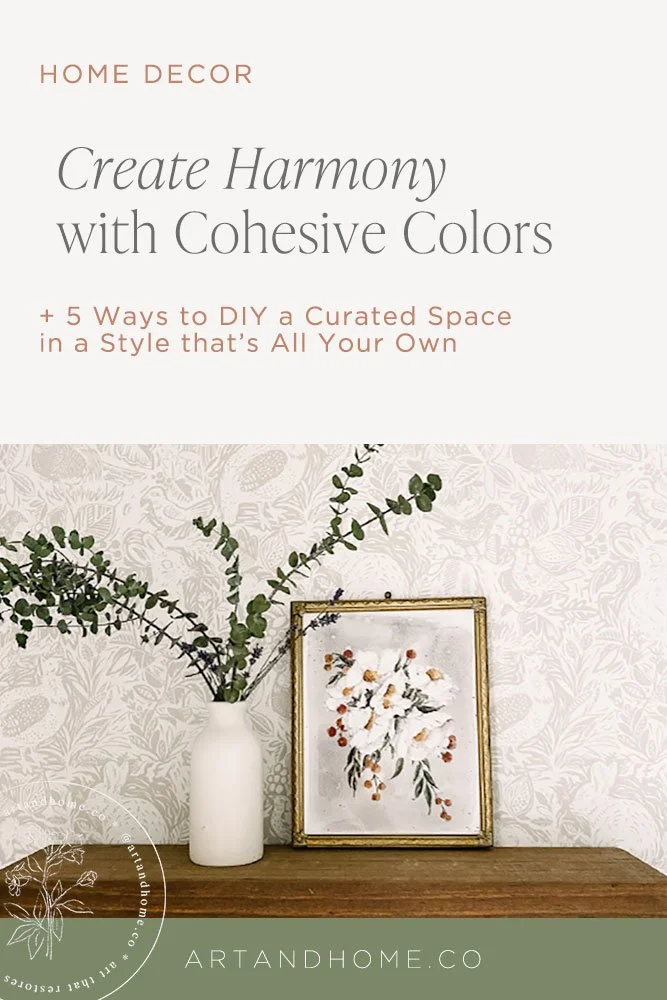
In home decor, balancing colors through fabric choices is key. When mixing fabrics, aim to create a cohesive color scheme by combining patterns with solids. This balance adds visual interest and prevents a room from feeling overwhelming. Additionally, layering different textures through fabrics can enhance the overall depth of the space. By incorporating a variety of textures, such as smooth silks and cozy knits, you can create a more dynamic and inviting atmosphere.
Credit: artandhome.co
Accent Colors And Accessories
When it comes to home decor, accent colors and accessories play a crucial role in tying the overall color scheme together. These elements can add visual interest, create focal points, and bring harmony to the space. By understanding how to incorporate accent colors and accessories, you can elevate the design of your home.
Complementary Colors For Accents
Using complementary colors for accents is a powerful way to create visual impact in your home decor. Pairing colors that are opposite each other on the color wheel, such as blue and orange or red and green, can create a dynamic and vibrant look. When selecting accent fabrics in complementary colors, consider using them for throw pillows, curtains, or decorative items to add a pop of color to the space.
Metallics And Neutrals As Balancers
Integrating metallics and neutrals as accent colors and accessories can help balance the overall color scheme in your home. Metallic accents, such as gold or silver, can add a touch of luxury and sophistication to the space. Neutrals, such as beige, gray, or ivory, can act as grounding elements, providing a sense of calm and cohesion. Consider incorporating metallic and neutral fabrics in the form of upholstery, rugs, or artwork to add depth and texture to the room.
Lighting: The Unsung Hero Of Color Perception
Lighting plays a crucial role in color perception, especially in home decor. Using fabric to create a cohesive color scheme can be enhanced by strategic lighting placement. The right lighting can bring out the true colors of fabrics, creating a harmonious and visually appealing atmosphere in any living space.
When it comes to home decor, color theory is essential to creating a cohesive and visually appealing space. One often overlooked aspect of color perception is lighting. The right lighting can enhance the colors in a room, while the wrong lighting can make them appear dull and unappealing. In this post, we will explore how natural and artificial light affect color perception and how to choose the right light fixtures to enhance your home decor color scheme.

Natural versus Artificial Light
Natural light is considered the best light source for home decor color perception. Sunlight provides a full spectrum of color, making colors appear true to their actual hue. However, natural light can be inconsistent and can change throughout the day. It is essential to consider the direction of the light source and the time of day when choosing your color scheme.
Artificial light, on the other hand, can be controlled to create a consistent color temperature throughout the day. The most common types of artificial light are incandescent, fluorescent, and LED. Each has a different color temperature, which affects how colors appear in a room. It is important to consider the color temperature of your light source when choosing your home decor color scheme.
Choosing Light Fixtures to Enhance Colors
When choosing light fixtures, it is essential to consider the type of light source and the color temperature. For example, incandescent bulbs have a warm, yellow color temperature, which can enhance warm colors like red, orange, and yellow. Fluorescent bulbs have a cool, blue color temperature, which can enhance cool colors like blue, green, and purple.
It is also important to consider the direction of the light source. Direct lighting can enhance colors and create a sense of depth, while indirect lighting can create a softer, more diffused look. Use a combination of both direct and indirect lighting to create a balanced and visually appealing space.
Lighting is an essential aspect of color perception in home decor. Natural light provides a full spectrum of color, while artificial light can be controlled to create a consistent color temperature. When choosing light fixtures, consider the type of light source and the direction of the light to enhance your home decor color scheme.
Maintaining A Cohesive Color Scheme
Creating a cohesive color scheme in home decor is essential for a polished and put-together look. By using fabric, you can easily incorporate different hues and textures to tie your space together. Stick to a consistent color palette and mix and match patterns for a visually appealing and harmonious design.
Transitional Spaces And Color Flow
In transitional spaces, ensure smooth color flow.
Adapting Your Palette For Seasonal Changes
Adjust colors based on seasons for a fresh look.
Conclusion
Incorporating fabric into your home decor can effectively enhance your color scheme. Understanding color theory and utilizing fabric can bring cohesion and balance to your living space. By following these principles, you can create a harmonious and visually appealing environment that reflects your personal style and aesthetic preferences.


