

Fabric Preservation: Protecting Your Fabrics from Damage And Deterioration
Fabric preservation involves safeguarding textiles from damage and deterioration to extend their lifespan. Proper care ensures fabrics remain vibrant and functional.
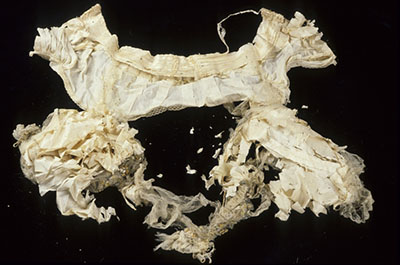
Fabrics are integral to our daily lives, from clothing to home furnishings. Maintaining their quality requires attention and proactive measures. Various factors like sunlight, moisture, pests, and improper storage can cause fabrics to degrade. Regular cleaning, appropriate storage, and using protective measures can significantly extend the life of your textiles.
For instance, storing fabrics in a cool, dry place and avoiding direct sunlight can prevent fading and weakening. By taking these steps, you can keep your fabrics looking new and fresh for years. Proper fabric care not only preserves their aesthetic appeal but also enhances their durability.
Introduction To Fabric Preservation
Fabrics are an important part of our lives. They are in our clothes, upholstery, and decor. Protecting these fabrics is crucial. This ensures they last long and remain beautiful.
Importance Of Preserving Textiles
Preserving textiles saves money. You won’t need to buy new items often. It also helps in maintaining their beauty. Well-preserved fabrics look new and fresh.
Preservation is important for heirlooms. Old family quilts and dresses need care. They hold memories and history. Proper care keeps them safe for future generations.
Common Threats To Fabric Longevity
Many factors can damage fabrics. Here are some common threats:
- Sunlight: Direct sunlight fades colors. It weakens fabric fibers.
- Moisture: Dampness can lead to mold and mildew. This causes stains and odors.
- Pests: Moths and beetles eat fabric. They leave holes and damage.
- Improper Storage: Folding or crumpling fabric can cause creases. These can be hard to remove.
| Threat | Effect |
|---|---|
| Sunlight | Fades colors, weakens fibers |
| Moisture | Leads to mold, stains, odors |
| Pests | Causes holes, fabric damage |
| Improper Storage | Creates creases, hard to remove |
Types Of Fabrics And Their Vulnerabilities
Fabrics come in many types, each with unique features. Understanding these types helps in preserving their beauty and durability. Different fabrics face different risks. Knowing their vulnerabilities helps in taking the right steps for care.
Natural Vs. Synthetic Fibers
Fabrics can be either natural or synthetic. Natural fibers include cotton, wool, and silk. Synthetic fibers include polyester, nylon, and acrylic. Each type has its own strengths and weaknesses.
| Fiber Type | Strengths | Weaknesses |
|---|---|---|
| Cotton | Soft, breathable, and absorbent | Prone to shrinkage and wrinkles |
| Wool | Warm and durable | Can shrink and felt when washed |
| Silk | Smooth and luxurious | Easily damaged by sunlight and water |
| Polyester | Strong and resistant to wrinkles | Less breathable and can melt under high heat |
| Nylon | Lightweight and strong | Prone to static and pilling |
Specific Care For Delicate Materials
Delicate materials need special attention. They can easily get damaged if not handled properly. Here are some tips for caring for delicate fabrics:
- Silk: Hand wash or use a gentle cycle. Avoid direct sunlight.
- Wool: Wash in cold water. Use a wool-specific detergent. Lay flat to dry.
- Lace: Hand wash with mild soap. Rinse gently. Lay flat to dry.
- Chiffon: Wash in cold water. Do not wring. Hang to dry.
Taking these steps ensures your delicate fabrics stay beautiful and last longer. Proper care protects them from damage and deterioration.
Environmental Factors Affecting Fabrics
Fabrics can easily get damaged by different environmental factors. These factors include humidity, temperature, and light exposure. Understanding these can help protect your fabrics.
Impact Of Humidity And Temperature
Humidity and temperature play a big role in fabric preservation. Too much humidity can cause fabrics to mold. Low humidity can make fabrics brittle. Extreme temperatures can weaken fabric fibers.
| Factor | Effect on Fabric |
|---|---|
| High Humidity | Mold and mildew growth |
| Low Humidity | Brittleness and cracking |
| High Temperature | Fiber weakening |
| Low Temperature | Fiber stiffening |
Light Exposure And Fabric Fading
Light exposure can cause fabrics to fade over time. Sunlight is the most harmful. Even indoor lighting can fade fabrics. Protect fabrics from direct light to avoid fading.
- Keep fabrics away from windows.
- Use UV-blocking window films.
- Store fabrics in dark places.
Credit: www.mdpi.com
Chemical Damage And Stain Prevention
Keeping fabrics in good shape is essential. Chemical damage and stains can ruin your favorite items. Learn how to prevent this damage and keep your fabrics looking new.
Dangers Of Cleaning Agents
Certain cleaning agents can harm your fabrics. Bleach and strong detergents may cause discoloration. They can also weaken the fabric’s fibers. Always read labels before using any cleaner.
Some fabrics need gentle handling. Silk and wool are examples. Harsh chemicals can damage these materials quickly. Always choose cleaners made for delicate fabrics.
Safe Stain Removal Techniques
Remove stains quickly to avoid permanent damage. Using the right method is key. Here are some safe techniques:
- Blot, don’t rub: Rubbing can spread the stain and damage fibers. Blot gently with a clean cloth.
- Cold water: Use cold water for most stains. Hot water can set the stain.
- Test first: Test any cleaning solution on a small hidden area first.
- Natural solutions: Lemon juice, baking soda, and vinegar can be effective. They are less harsh than chemical cleaners.
Below is a table of common stains and safe removal methods:
| Stain Type | Safe Removal Method |
|---|---|
| Red Wine | Blot with cold water, apply salt, rinse |
| Coffee | Blot with cold water, use mild detergent |
| Grease | Use baking soda, then rinse |
Physical Handling And Storage Solutions
Preserving your fabrics requires careful handling and proper storage. Mishandling and improper storage lead to damage and deterioration. Learn how to protect your valuable fabrics with these practical tips.
Proper Folding And Hanging Methods
Folding and hanging fabrics correctly extends their lifespan. For delicate fabrics, avoid sharp folds. Sharp folds cause creases and weaken fibers. Instead, roll delicate fabrics or use padded hangers.
Heavy fabrics like wool and denim should be folded. Use acid-free tissue paper between layers. This prevents creasing and fiber damage. For hanging garments, use wide, padded hangers. Narrow hangers distort the fabric shape.
| Fabric Type | Storage Method | Additional Tips |
|---|---|---|
| Silk | Roll | Use acid-free tissue paper |
| Wool | Fold | Use moth repellents |
| Cotton | Fold | Store in cool, dry place |
| Linen | Hang | Avoid direct sunlight |
Choosing The Right Storage Containers
Storage containers play a crucial role in fabric preservation. Always choose breathable containers. Avoid plastic bags. Plastic traps moisture and causes mold and mildew.
For long-term storage, use acid-free boxes. Acid-free boxes prevent fabric yellowing. Place cedar blocks inside the boxes. Cedar repels insects and absorbs moisture. Avoid using cardboard boxes. Cardboard contains acids that harm fabrics.
- Use cotton or linen bags for breathable storage
- Opt for acid-free tissue paper for wrapping
- Store in a cool, dry, and dark place
Proper handling and storage protect your fabrics from damage. Follow these tips to extend the life of your valuable textiles.
Credit: issuu.com
Pest Control And Fabric Safety
Pests can wreak havoc on your treasured fabrics. Protecting your materials from these tiny invaders is crucial. Ensuring fabric safety involves understanding and addressing the threats posed by pests.
Identifying Harmful Pests
Certain pests target fabrics, causing significant damage. Knowing these pests helps in taking the right actions.
- Moths: Moths lay eggs on fabrics. Their larvae feed on natural fibers like wool.
- Carpet Beetles: These beetles eat wool, silk, and feathers. They are common in homes.
- Silverfish: Silverfish prefer dark, damp places. They consume cotton, linen, and silk.
Natural And Chemical Repellents
Using repellents is key to keeping pests away. Both natural and chemical options are available.
| Repellent Type | Examples | Usage Tips |
|---|---|---|
| Natural Repellents |
|
|
| Chemical Repellents |
|
|
Regular inspection and cleaning can help prevent pest infestation. Use both natural and chemical repellents as needed. A balanced approach ensures fabric safety.
Routine Care And Maintenance
Routine care and maintenance are key to preserving fabrics. Proper care can extend the life of your fabrics. Follow these steps to keep them looking new.
Washing And Drying Best Practices
Washing and drying fabrics correctly is important. Follow these tips:
- Sort your laundry: Separate whites, colors, and delicates.
- Use cold water: Cold water prevents color fading and shrinkage.
- Choose the right detergent: Use mild detergents for delicate fabrics.
- Air dry when possible: Air drying reduces fabric wear and tear.
- Avoid direct sunlight: Sunlight can fade colors and weaken fibers.
Regular Inspection And Repair
Regular inspection and repair can save fabrics from damage. Follow this simple checklist:
- Check for stains: Treat stains immediately with appropriate cleaners.
- Look for tears or holes: Repair small tears before they get bigger.
- Inspect seams: Ensure seams are intact and not unraveling.
- Examine for wear: Check high-wear areas like elbows and knees.
Keep a sewing kit handy for quick fixes. It can include needles, thread, and fabric glue.
| Care Task | Frequency | Tools Needed |
|---|---|---|
| Sorting Laundry | Every Wash | Sorting Baskets |
| Inspecting for Stains | Weekly | Stain Remover |
| Repairing Tears | As Needed | Sewing Kit |
Advanced Preservation Techniques
Advanced preservation techniques are essential for maintaining fabric integrity. These methods keep textiles safe from damage and deterioration. Using the latest tools and knowledge, you can extend the life of your fabrics. Below, we discuss two key strategies: using archival products and professional conservation services.
Using Archival Products
Archival products help protect fabrics from harm. They are made with materials that do not cause damage. These products are acid-free and lignin-free. They prevent yellowing and brittleness. Here are some common archival products for fabric preservation:
- Archival Boxes: Store textiles in these boxes to keep them safe from dust and light.
- Archival Tissue Paper: Use this paper to wrap delicate fabrics. It provides a soft, non-abrasive layer of protection.
- Archival Garment Bags: These bags protect clothing from pollutants and pests.
| Product | Purpose | Benefit |
|---|---|---|
| Archival Boxes | Storage | Protects from dust and light |
| Archival Tissue Paper | Wrapping | Prevents abrasion |
| Archival Garment Bags | Protection | Shields from pollutants and pests |
Professional Conservation Services
Professional conservation services offer expert care for your fabrics. These services use advanced techniques to repair and maintain textiles. Here are some benefits of hiring professionals:
- Expert Knowledge: Professionals have training in fabric preservation.
- Specialized Equipment: They use tools not available to the public.
- Customized Solutions: Services tailored to the specific needs of your fabrics.
If your fabric is valuable or very old, professional help is crucial. They can handle delicate and complex repairs. This ensures your fabrics stay in the best condition possible.
The Future Of Fabric Preservation
Fabric preservation is crucial for keeping textiles in good condition. The future of fabric care will bring new methods and sustainable practices. Let’s explore the latest innovations and the move towards eco-friendly solutions.
Innovations In Textile Care
New technologies are changing fabric care. These advancements help protect and restore textiles. Here are some key innovations:
- Nanotechnology: Tiny particles protect fabrics from stains and damage.
- Smart Fabrics: Materials that adjust to environmental changes.
- Advanced Cleaning Techniques: Methods like ultrasonic cleaning are gentle on fabrics.
Encouraging Sustainable Practices
Sustainable practices in fabric care are essential. They help reduce waste and protect the environment. Here are some ways to promote sustainability:
- Eco-friendly Detergents: Use detergents that are biodegradable.
- Energy-efficient Washing Machines: Choose machines that use less water and energy.
- Repair and Reuse: Fix damaged textiles instead of discarding them.
By adopting these innovations and sustainable practices, we can protect our fabrics for the future. This ensures that our textiles remain beautiful and functional for years to come.
Credit: www.canada.ca
Conclusion
Proper fabric preservation is essential for longevity. Regular care prevents damage and deterioration. Use these tips to protect your fabrics effectively. By investing time and effort, you ensure your textiles remain in excellent condition. Maintain their beauty and functionality for years to come.


Il nostro servizio rende possibile l’assunzione di professionisti per incarichi rischiosi.
I clienti possono trovare esperti affidabili per incarichi occasionali.
Ogni candidato vengono verificati con cura.
sonsofanarchy-italia.com
Sul sito è possibile visualizzare profili prima della scelta.
La fiducia continua a essere un nostro impegno.
Esplorate le offerte oggi stesso per portare a termine il vostro progetto!